Quick answer
Tiny home living for retirees offers a unique combination of financial freedom, reduced maintenance, and the ability to age in place through accessible, single-level designs. By downsizing, retirees can lower monthly expenses by 50-70% while living closer to family as an ADU.
Why retirees are choosing tiny homes in 2026
The fastest-growing segment of our buyer base isn’t millennials — it’s retirees. In 2025, 34% of our total deliveries went to buyers over 55. That number is projected to hit 40% in 2026.
What we’ve consistently observed is that retirees aren’t downsizing because they have to — they’re downsizing because the math makes more sense than maintaining a 2,400-square-foot house on a fixed income.
10 reasons retirees are downsizing to tiny homes
1. Slash monthly expenses by 50-70%
The average American retiree spends $2,400/month on housing. Our retired buyers report all-in monthly costs of $750-$1,100 including mortgage, utilities, insurance, and taxes. That’s $15,000-$20,000 saved annually.
2. Eliminate mortgage debt before or during retirement
A $65,000 tiny home financed over 15 years at 7.5% APR costs ~$600/month. Many retirees pay cash from home-sale proceeds and eliminate housing payments entirely.
3. Single-level, accessible design
Every tiny home we build for retirees is single-level with zero-step entries, 36-inch doorways, and walk-in showers. No stairs, no split levels, no fall risks. ADA-compliant layouts are available on all models.
4. Live near family as a backyard ADU
One of the most popular use cases: placing a tiny home in your child’s backyard as an accessory dwelling unit. California, Oregon, Texas, and 30+ other states have ADU-friendly laws that make this straightforward.
5. Dramatically lower maintenance
A 400-square-foot home takes 2 hours to deep clean. There’s no large yard, no multi-story exterior, no complex HVAC system. Retired buyers consistently tell us their maintenance burden dropped by 80%.
6. Travel without worry
Lock the door and go. Tiny homes on wheels can travel with you. Tiny homes on foundations require minimal upkeep while you’re away — no lawn crew, no pool service, no multi-room security system.
7. Reduce environmental footprint
Smaller space means lower energy consumption. Our ENERGY STAR certified models use 40-60% less electricity than a standard American home. Solar-ready electrical is standard on all builds.
8. Community living options
Dedicated tiny home communities offer social connection without the overhead of traditional retirement communities. No buy-in fees, no monthly HOA above lot rent, and neighbors who share your lifestyle values.
9. Preserve wealth for healthcare and legacy
By reducing housing costs to under $1,000/month, retirees free up capital for healthcare costs, travel, grandchildren’s education, or estate planning. The average American retiree has $255,000 in savings — a tiny home protects that nest egg.
10. It’s genuinely more comfortable than you think
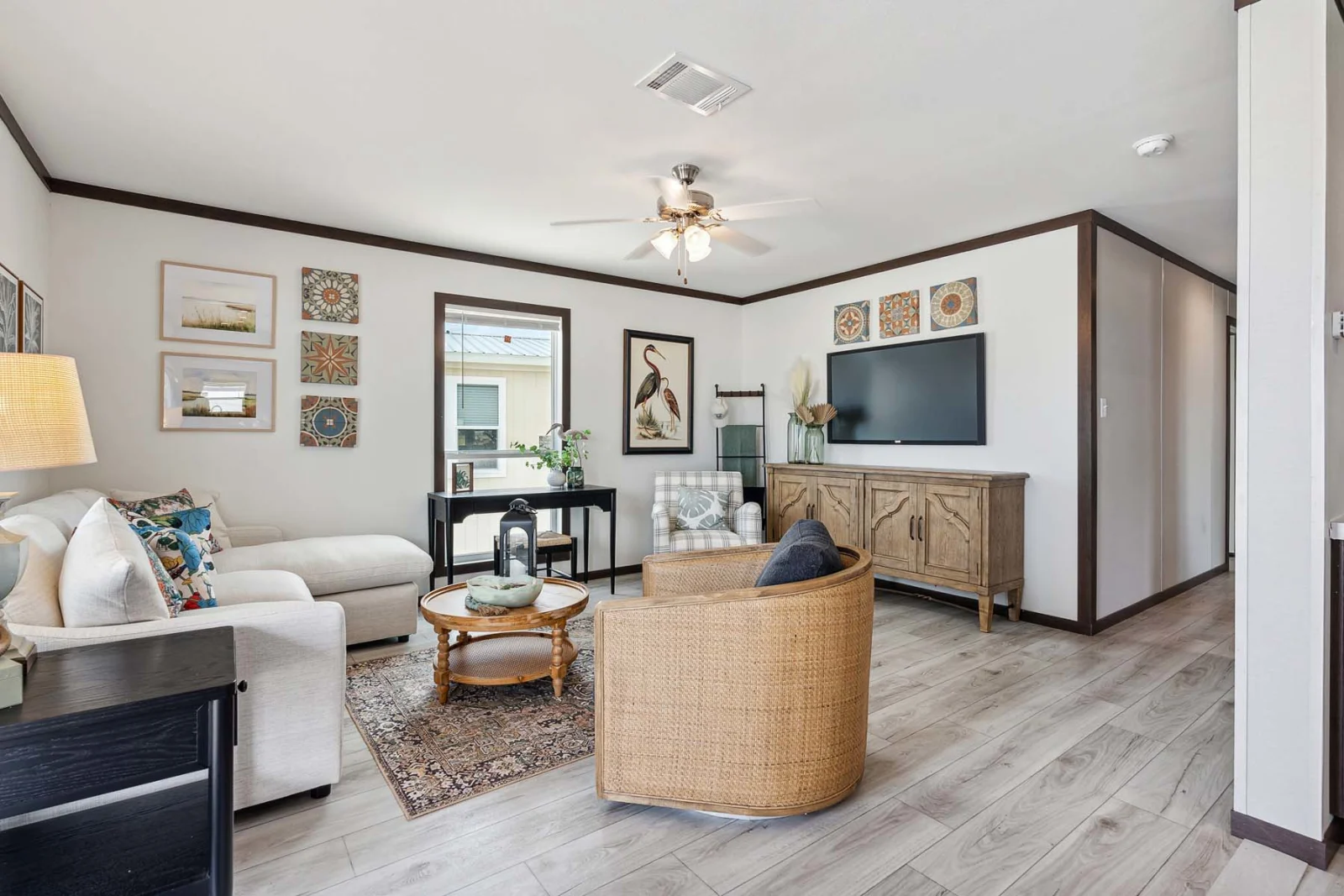
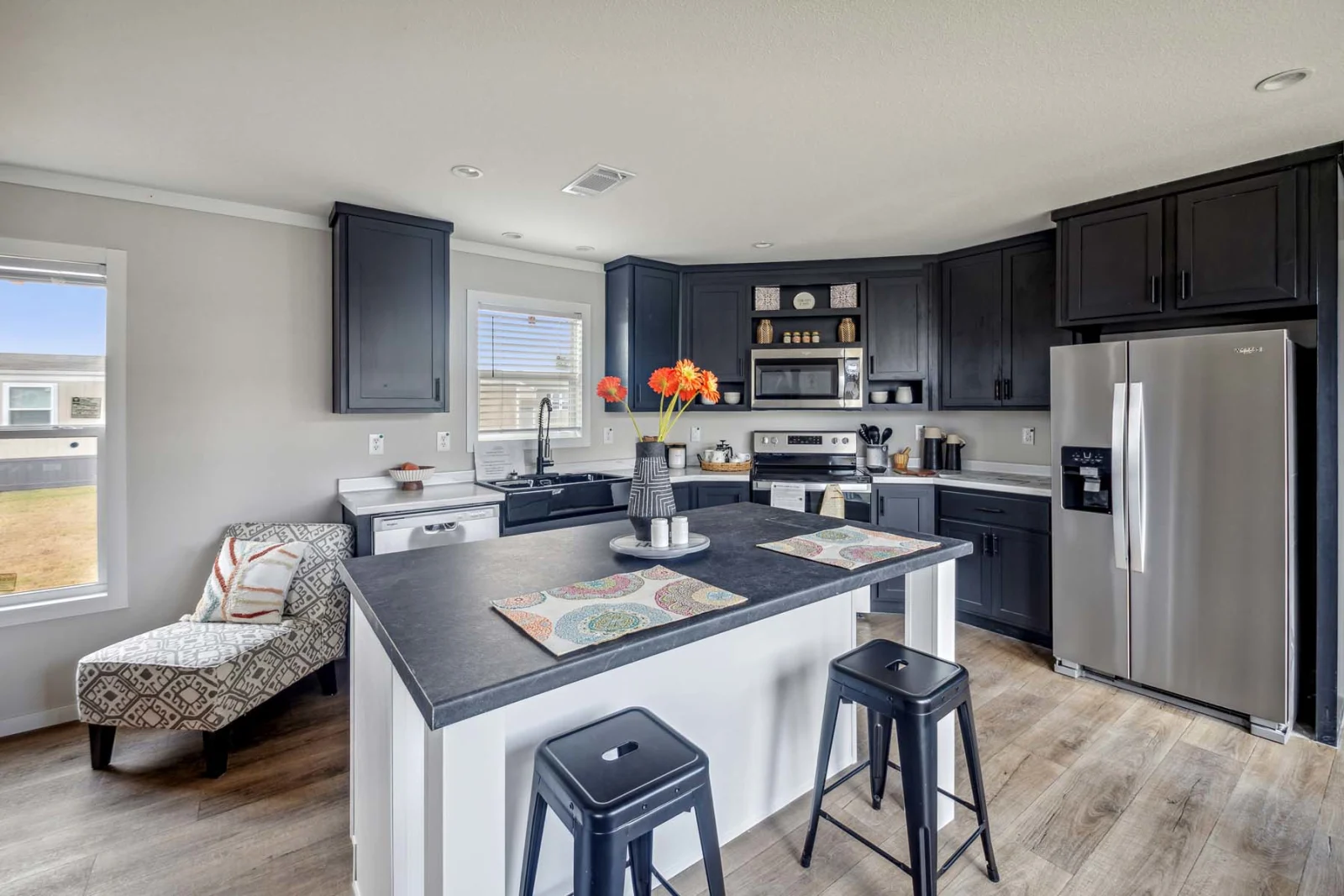
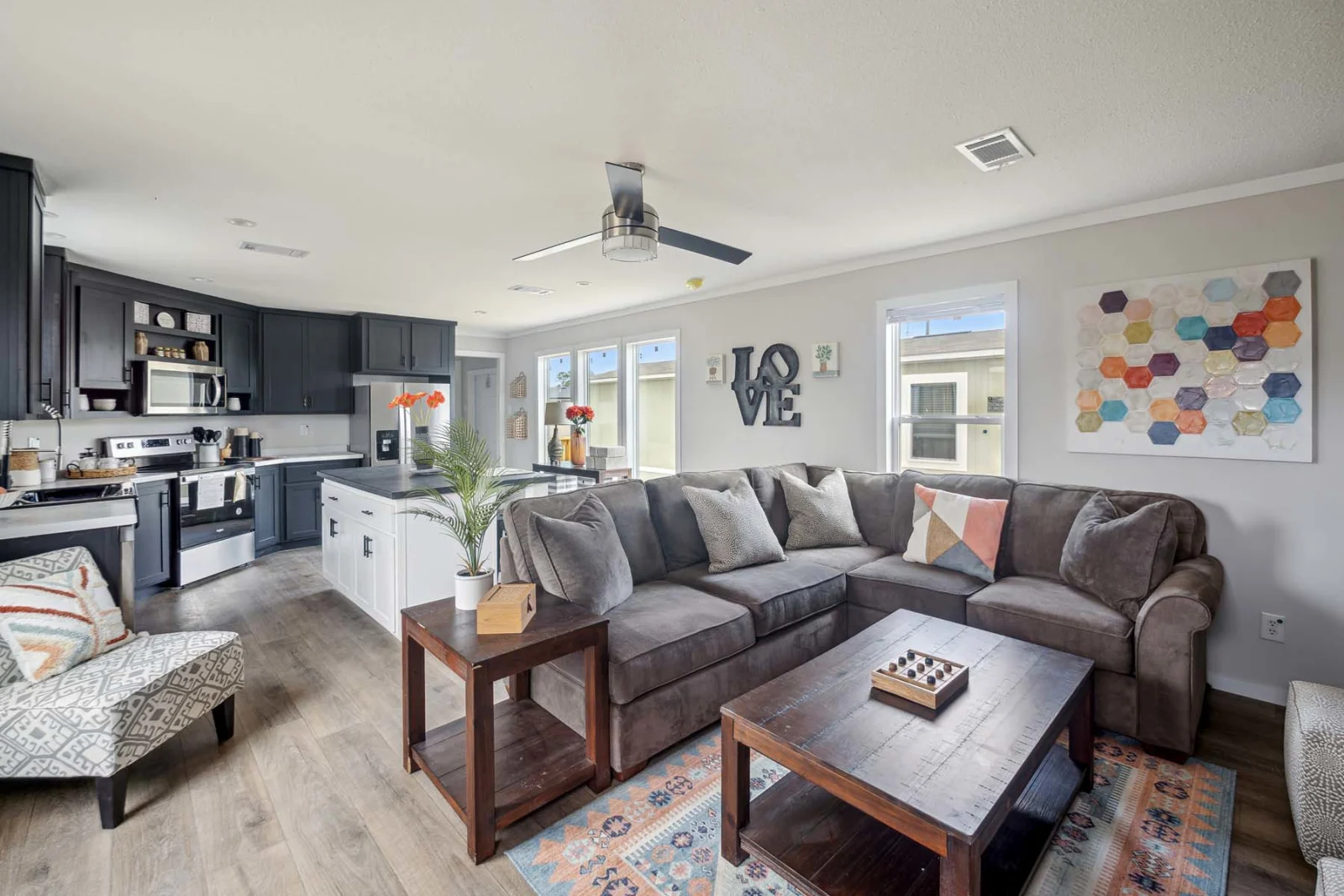
After working with hundreds of retired buyers, the #1 feedback we hear at the 6-month mark is: “I wish I’d done this five years earlier.” Modern tiny homes have full-size appliances, comfortable master suites, and more natural light per square foot than most traditional homes.
Retiree case study: the Novaks’ Florida downsize
Information gain — real buyer data
Paul and Nancy Novak, ages 64 and 62, sold their 2,400-square-foot Tampa home for $380,000. They purchased a 1,020 sq ft Retreat model for $78,899, bought a half-acre lot in Ocala for $18,000, and spent $6,200 on site prep.
- Total investment: $103,099
- Net proceeds after downsize: $276,901 preserved in savings
- Monthly cost: $1,100 (lot, utilities, insurance, taxes)
- Previous monthly cost: $3,200 (mortgage, utilities, maintenance, HOA)
- Annual savings: $25,200
At their 6-month check-in, Paul told us: “We’re debt-free at 64. Should have done this ten years ago.”
Best tiny home models for retirees
Ready to explore tiny home living for your retirement? Our team has helped hundreds of retirees make the transition smoothly. Take our 60-second quiz to find the model that fits your lifestyle and budget, or talk to a specialist who can walk you through every step — from financing to delivery to your first night in your new home.