Quick answer
Over 10 years, a tiny home is cheaper than an apartment in nearly every U.S. market when including equity buildup. In Austin, the spread is $112K-$185K in favor of the tiny home. In Nashville, $98K-$160K. In Phoenix, $84K-$140K. In a low-cost rural market, the spread narrows to $40K-$70K. Renters pay 100% of housing cost forever; tiny-home owners convert most of it to equity.
Why apartments lose the long-term math
The structural reason is rent inflation. The average U.S. apartment rent has increased 4.2% per year over the past decade. A $1,400/month apartment today costs $2,070/month in 10 years (assuming continued 4% inflation). Over 10 years, total rent paid: $200,520. Equity built: $0.
A tiny home owner pays the unit purchase, then a fraction of rent equivalent in property tax, insurance, and maintenance. Most of the up-front cost converts to equity in the unit and (if owned) the land.
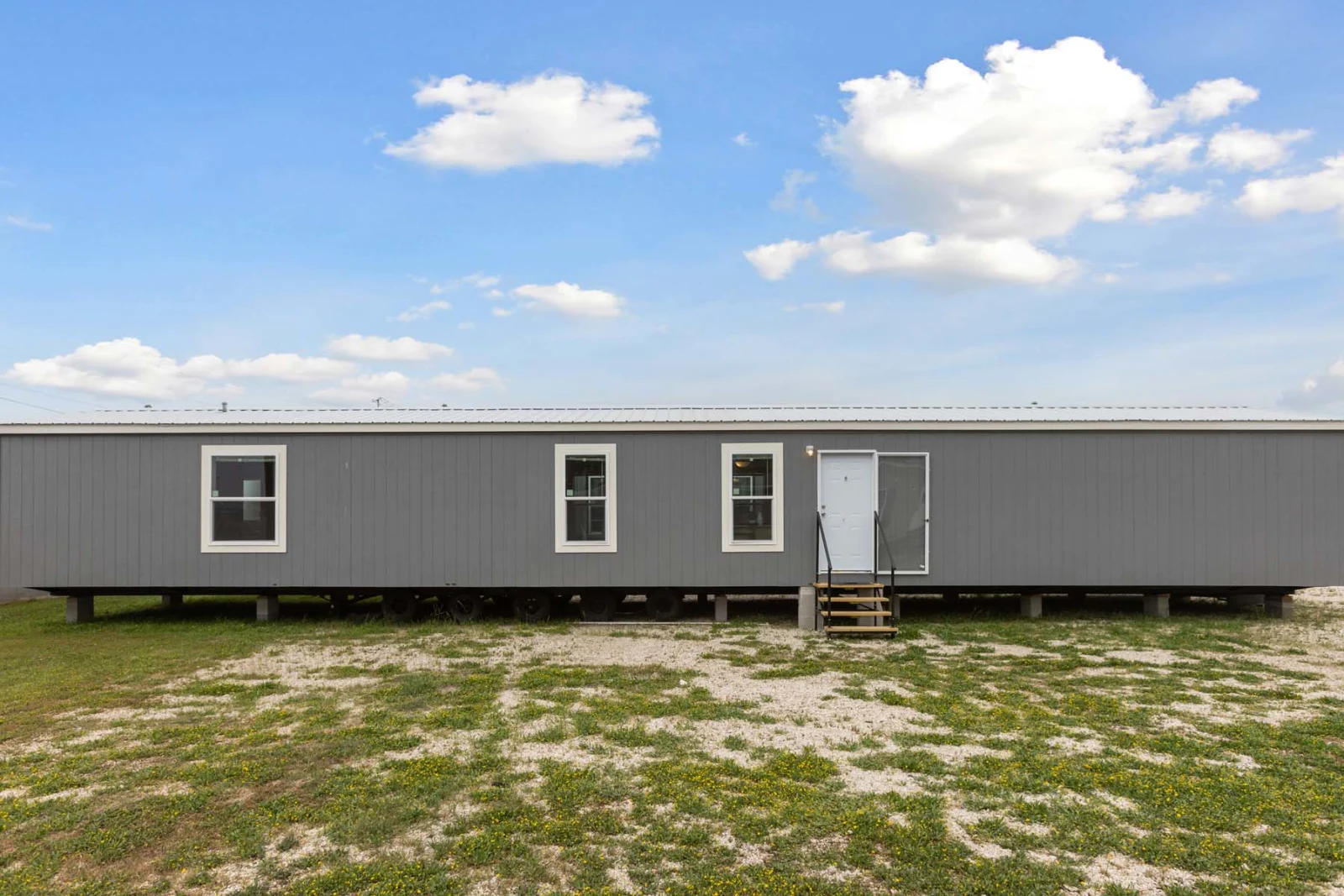
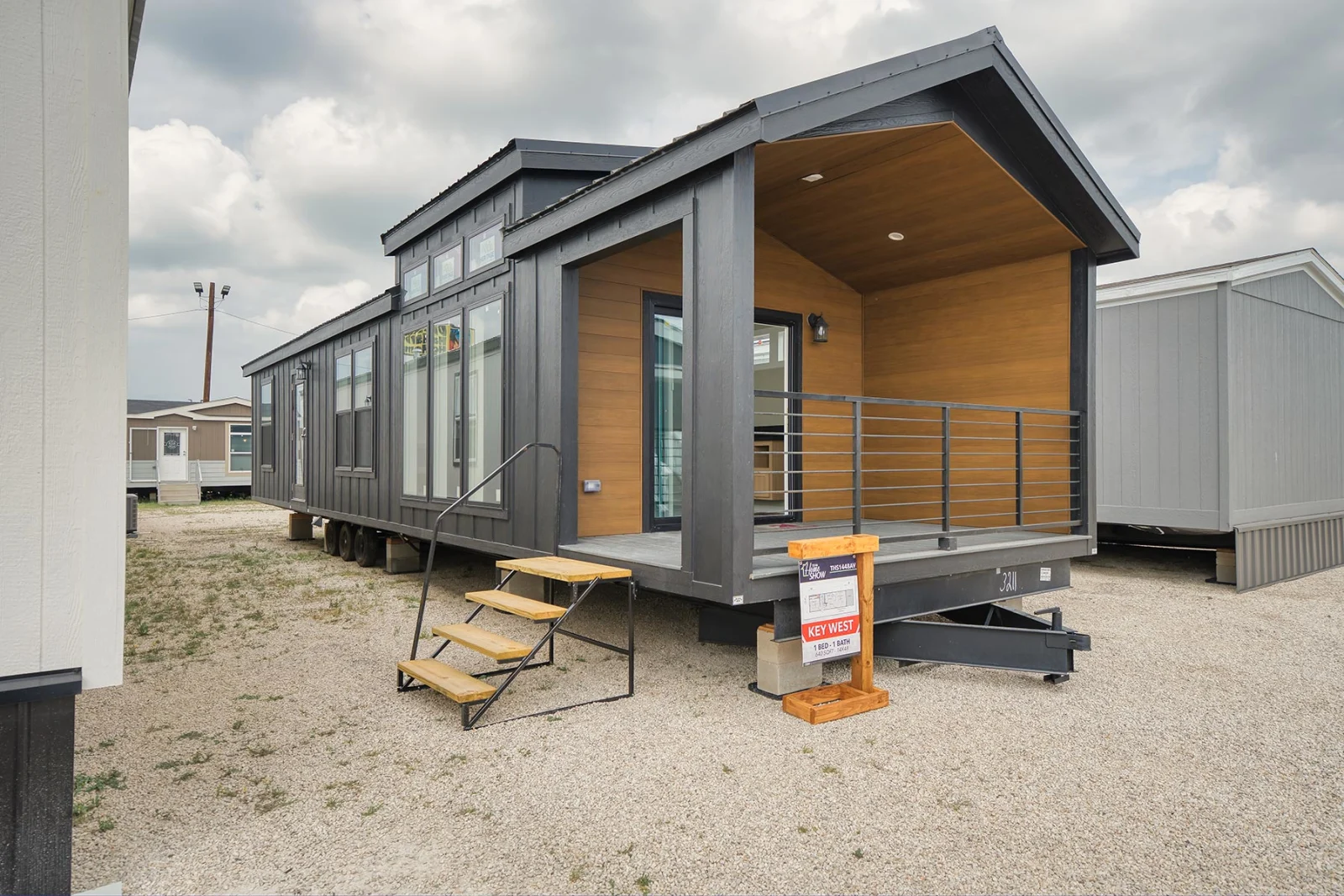
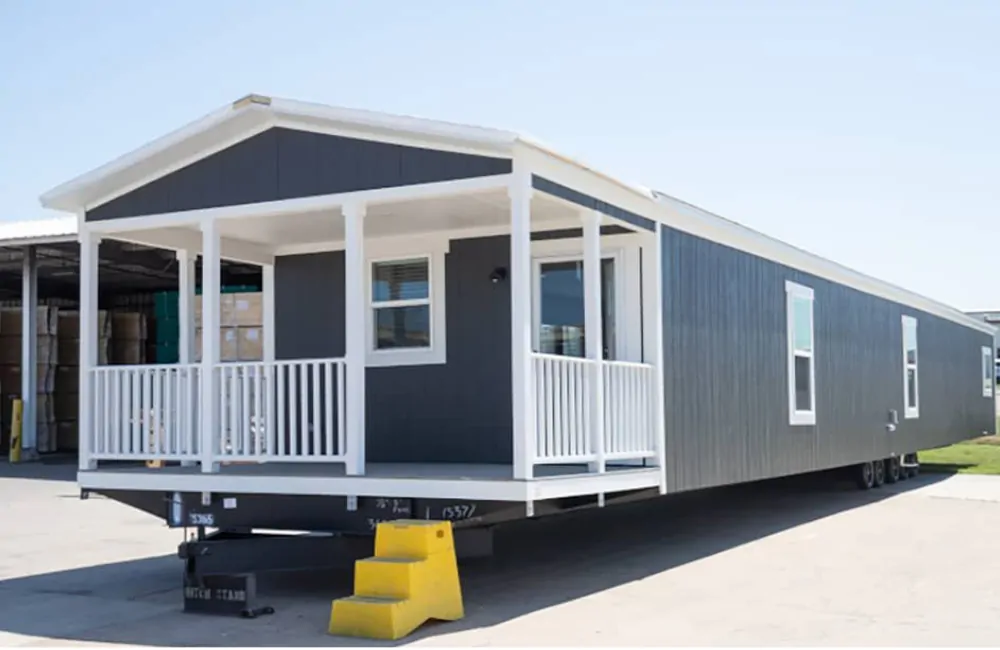
Side-by-side: $1,400 apartment vs $77,899 tiny home
10-year all-in cost comparison, Nashville-area pricing, mid-range household:
| Cost / equity item | Apartment ($1,400/mo start) | Birch tiny home ($77,899) |
|---|---|---|
| Year 1 total | $16,800 | $10,200 (loan + tax + ins) |
| 10-yr cumulative cost | $200,520 (with rent inflation) | $108,500 (loan amortizes) |
| Equity built | $0 | $60,000-$95,000 (unit + land if owned) |
| Net 10-year position | -$200,520 | -$13,500 to -$48,500 |
| Difference (renter vs owner) | +$152K to +$187K in favor of tiny home | |
4-city comparison (10-year total cost minus equity)
| City | Apartment 10-yr | Tiny home 10-yr (incl. equity) | Tiny home advantage |
|---|---|---|---|
| Austin TX | -$220K (rent $1,550 base) | -$35K to -$108K | $112K-$185K |
| Nashville TN | -$200K ($1,400 base) | -$40K to -$102K | $98K-$160K |
| Phoenix AZ | -$190K ($1,350 base) | -$50K to -$106K | $84K-$140K |
| Rural Mississippi | -$120K ($850 base) | -$50K to -$80K | $40K-$70K |
| Bay Area CA | -$340K ($2,400 base) | -$80K to -$180K | $160K-$260K |
The tiny-home advantage is largest in high-rent metros and smallest in low-rent rural markets. In every market tracked, however, owning a tiny home produced a better 10-year position than renting an apartment.
The break-even timeline
How quickly does a tiny home start beating an apartment? The break-even point depends on local rent and tiny-home cost. Typical break-even timelines:
- High-rent metros (Austin, Bay Area, Seattle): 2-3 years.
- Mid-rent metros (Nashville, Phoenix, Atlanta): 3-4 years.
- Mid-rent suburbs (most of southeast and midwest): 4-6 years.
- Low-rent rural (rural Mississippi, Alabama, west Texas): 6-9 years.
Stay longer than your break-even, and the tiny home wins. Move sooner and the math gets worse, especially if you sell the tiny home early in its depreciation curve.
What apartments win on
Honest acknowledgment: apartments win on three things tiny homes can’t match:
- Mobility. Apartments have month-to-month or 12-month commitments. Tiny homes are physically movable but require time and cost to relocate.
- Maintenance shifted to landlord. No roof leak repairs, no appliance replacement, no exterior caulk. Renters trade equity for low operational hassle.
- Amenities at scale. Apartment complexes can offer pools, gyms, doorman, valet, on-site management. Tiny homes can’t replicate this without a community membership.
If you value any of these meaningfully, factor that into the decision. For most buyers, the financial math is significant enough to overcome these factors. For some — high-mobility careers, busy professionals, frequent travelers — renting can still be the right choice.
Information gain: the “life event” risk that flips the math
One scenario consistently flips the apartment-vs-tiny-home math against the tiny home: life events that force selling the unit before break-even. Job relocation, divorce, family death, health changes — any of these can force a sale at year 2-4, when the tiny home hasn’t fully amortized and resale won’t recover the closing costs.
The protective tactic: buy a unit that maintains resale (modular > HUD on foundation > RVIA), in a market with strong demand (growth corridor > stable rural > declining region), with the option to convert to ADU rental income if you need to leave but keep the property. Buyers who follow this pattern come out ahead even when forced to sell early. Buyers who buy custom THOWs in declining markets often lose money on early sale.
Apartment-to-tiny-home transition timeline
Most renters making the move:
- Decide and pre-qualify (1 week).
- Pick land or community lot (4-12 weeks).
- Order unit (4-12 week build).
- Site prep (2-8 weeks, often parallel with build).
- Delivery and move-in (1 week).
- Apartment lease wind-down (overlap planned to minimize gap).
Total time: 12-25 weeks from decision to keys. Plan apartment lease end accordingly.
The decision framework
Ask yourself three questions:
- Will I stay in the same area for 4+ years? (If no, renting may still be right.)
- Do I have the down payment (5-20% of unit price + cash-to-close)? (If no, save up first or use FHA / VA / USDA programs at 0-3.5%.)
- Am I OK trading some life flexibility for long-term equity? (If no, apartments preserve flexibility.)
Three yeses = strongly favor tiny home. One or more no = run the math more carefully or stay renting longer.
For a personalized 10-year comparison on your specific city and unit, contact us at /contact-tiny-homes/ with your current rent and target zip. For financing options, see our loans guide and down payment article.
See also: tiny home resale value & appreciation — the equity-build math the 10-year comparison depends on.