Quick answer
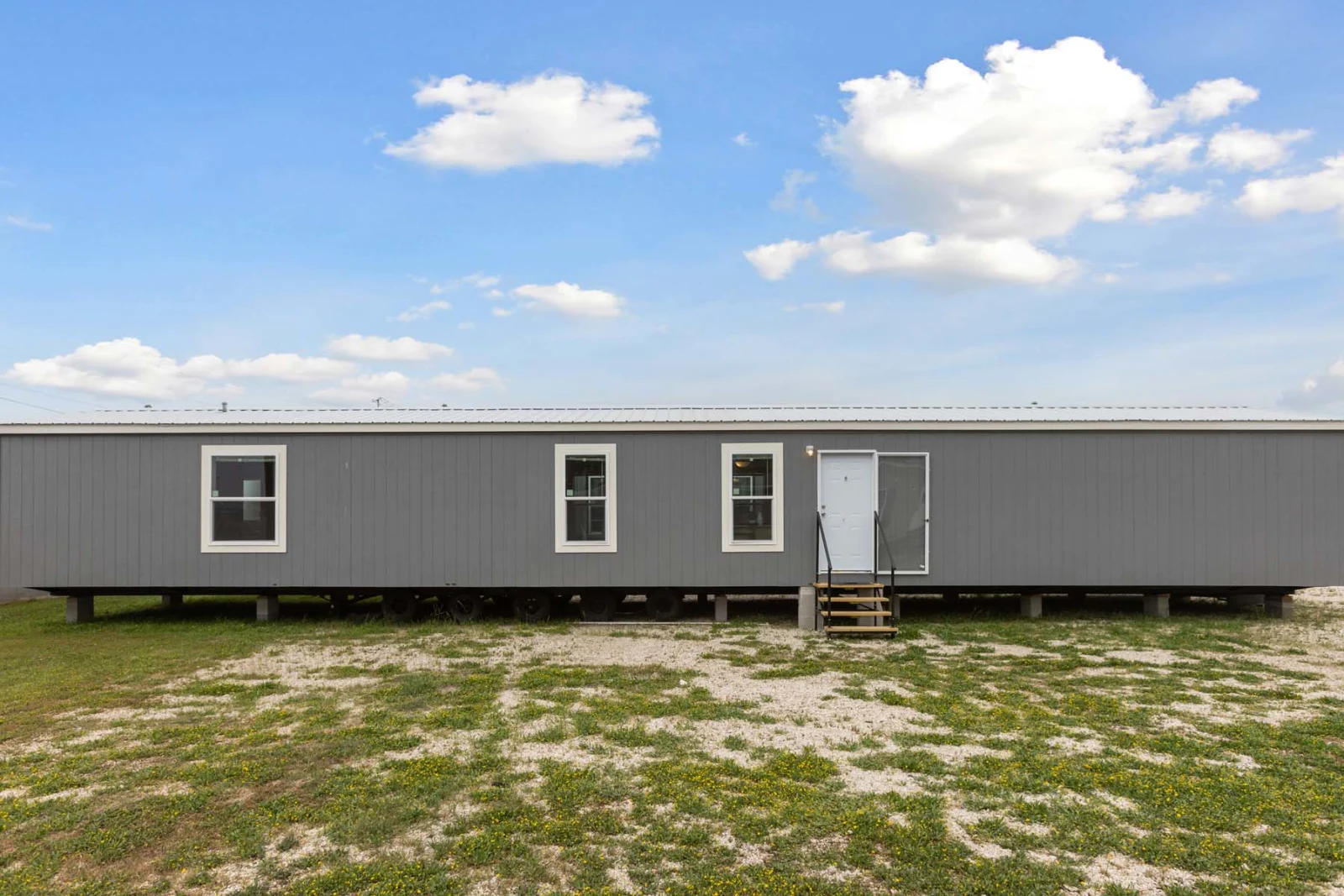
In 2026, tiny homes for sale range from $42,899 park-model units (399 sq ft) up to $78,899 foundation-ready cottages (1,153 sq ft). The seven-step buying path is: (1) decide wheels vs foundation, (2) set budget + financing, (3) verify your zoning, (4) pick a floor plan, (5) lock delivery logistics, (6) prep your site, (7) sign and schedule delivery.
Why buyers are choosing tiny homes in 2026
Over the past three delivery seasons I’ve helped buyers from 38 states move into tiny homes, and the math keeps pulling more families in. A $42,899 park model carries a monthly payment near $398 at today’s rates — roughly a third of the median U.S. rent. That gap is why 2026 shortlist volumes are up sharply over 2024.
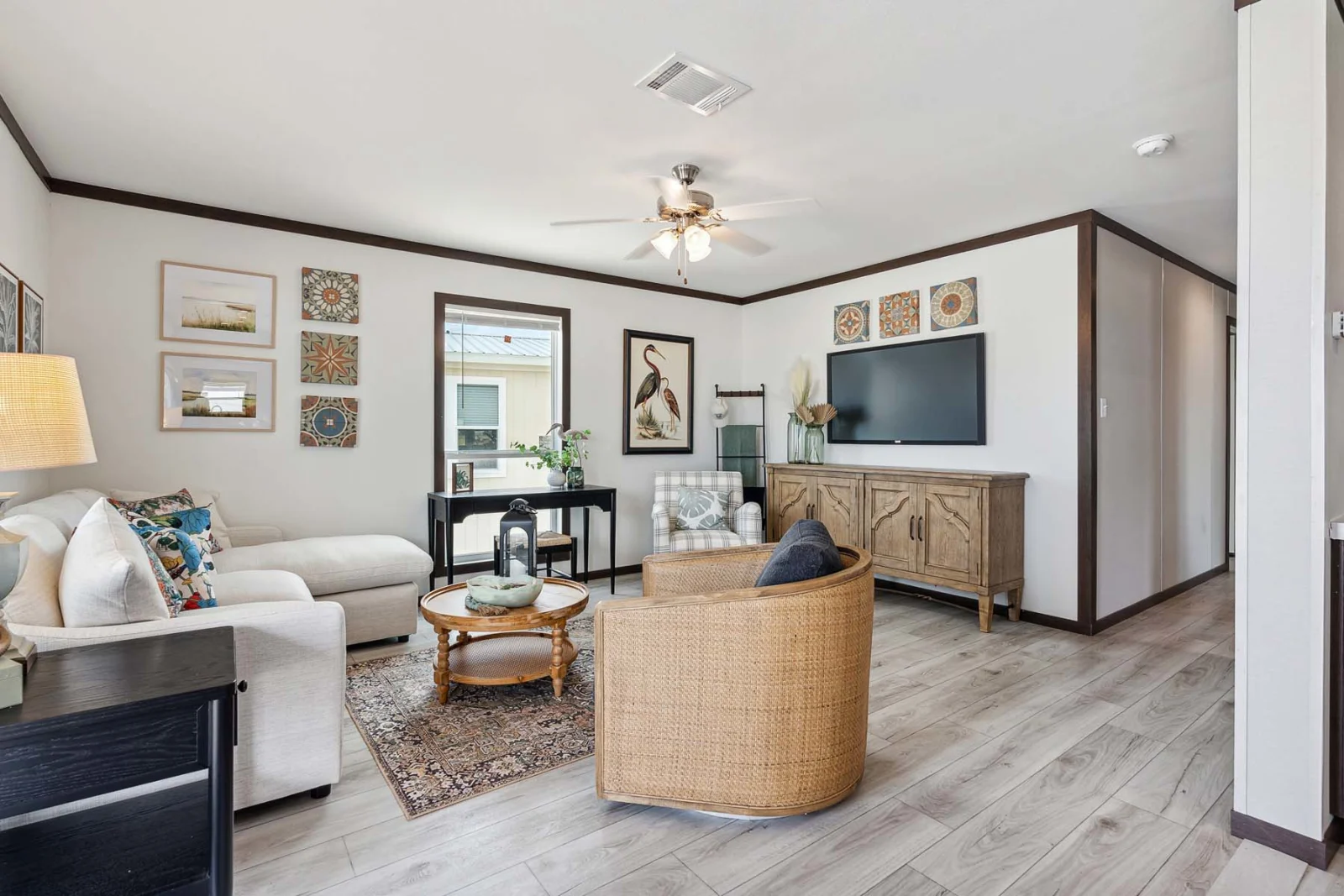
What’s changed this year is build quality. Homes that cost under $50K now ship with 2x6 walls, dimensional shingles, tile showers, and stainless appliance packages — options that used to be reserved for $70K+ manufactured units. The spec sheet has quietly caught up to full-size housing.
The three main categories of tiny homes for sale
Before you shop pricing, decide which category actually fits your plan. The categories look similar in photos, but they route through completely different zoning and financing paths.
1. Park model RVs (tiny homes on wheels)
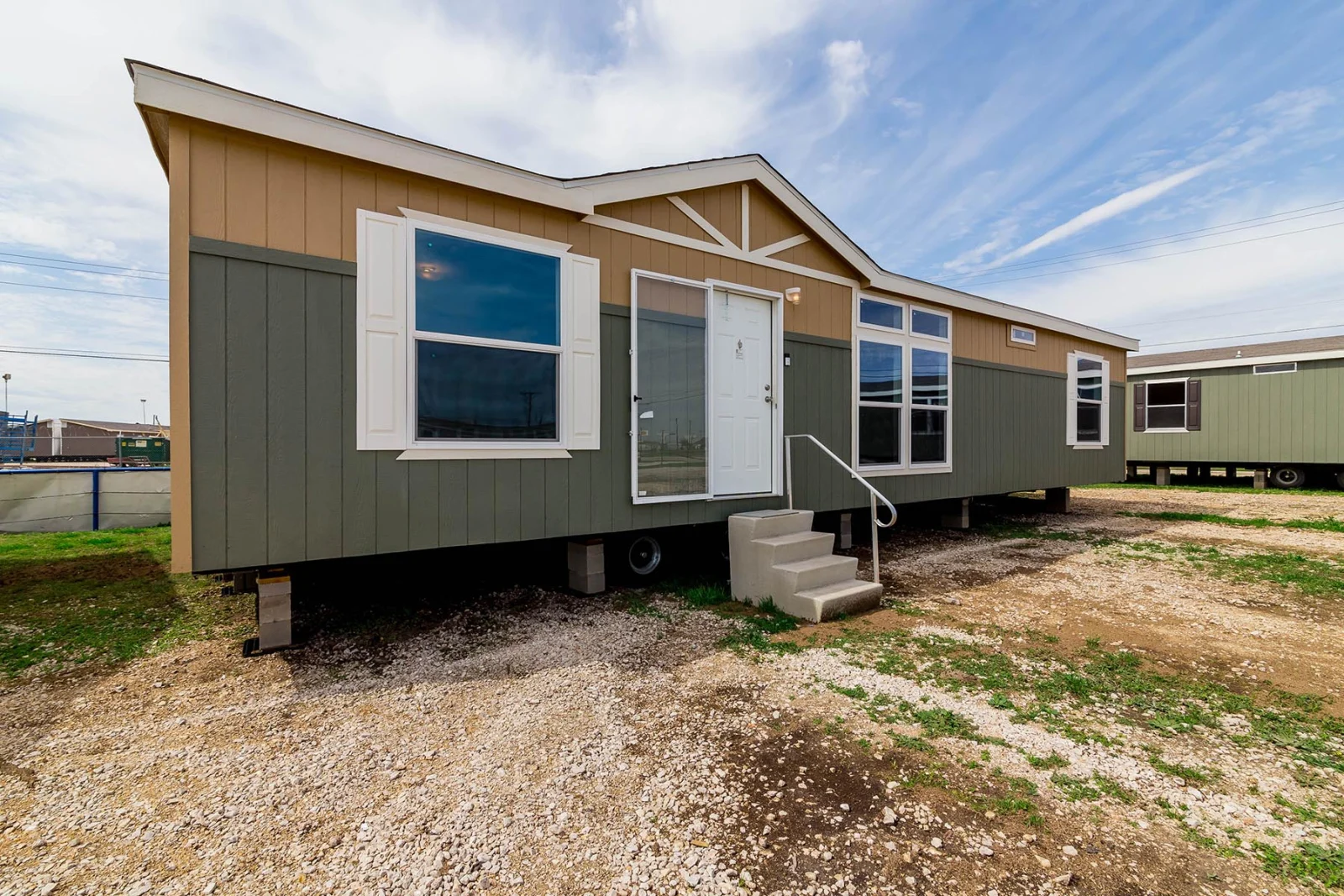
Built to ANSI A119.5, certified by RVIA or a comparable body, always under 400 sq ft main floor. Delivered on a steel chassis so they can be moved legally on public roads. Park model RVs are usually the cheapest option, start around $42,899 at our lot, and financing runs through RV lenders with 10-20 year terms.
2. Park model manufactured homes
Built to HUD code, also on a chassis, but usually installed on piers or a slab and rarely moved after delivery. These qualify for chattel loans and, in many states, land-and-home packages. Sizes extend up to about 640 sq ft. Expect $50K–$60K for a loaded spec.
3. Modular or foundation-ready cottages
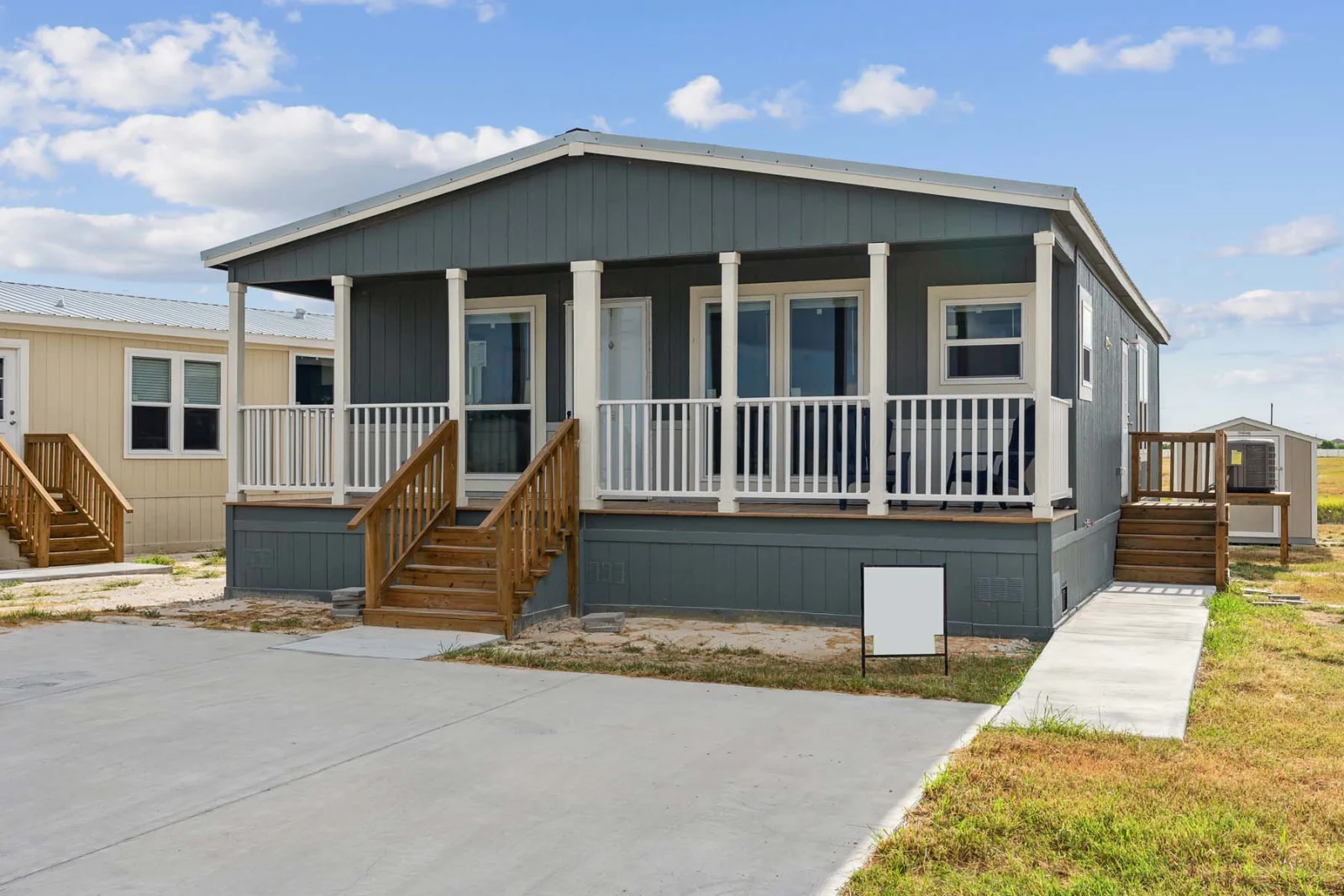
Built to state building code, delivered in one or two sections, craned or rolled onto a permanent foundation. These are the ones you’ll see labeled “cottage,” “guest house,” or “ADU.” Sizes run 600–1,200+ sq ft, pricing starts near $75,899, and they appraise like a traditional home.
Tiny home price guide: what you actually pay in 2026
Published prices are the floor. Here’s the full 2026 bill of materials from the buyers I work with, including the line items that surprise most first-time shoppers.
| Cost category | Low end | High end | Notes |
|---|---|---|---|
| Base home price | $42,899 | $78,899 | Model and square footage driven |
| Upgrades & options | $2,000 | $12,000 | Flooring, countertops, appliance tier |
| Delivery & set | $1,800 | $6,500 | Distance + crane/block set |
| Site prep (pad + utilities) | $3,500 | $18,000 | Hugely location-dependent |
| Permit & zoning fees | $150 | $2,400 | County & state driven |
| Sales tax (where applicable) | $0 | $5,200 | Exemptions in TX, MT, OR |
The bottom line: plan for 15–25% on top of the sticker. A $48K park model lands closer to $58K fully installed; a $75K cottage on a turn-key foundation hits $95K–$105K all-in.
The 7-step buying process that actually works
Step 1 — Decide wheels vs foundation
This is the fork that changes everything else. Wheels = RV zoning rules, RV insurance, RV financing, and the ability to move. Foundation = permanent ADU, traditional mortgage possible, and much stronger resale.
Step 2 — Set the budget and pre-qualify
Pull a soft pre-qualification before you pick a model — not after. Our financing partners return decisions in 24–72 hours on amounts between $15K and $150K. Soft pulls don’t ding your credit.
Step 3 — Verify your zoning in writing
Call the county planning department and ask two specific questions: (a) does the zoning permit a dwelling of X square feet on Y-acre parcels, and (b) does the code permit an RVIA or HUD unit as a permanent residence. Get the answer by email. I’ve seen $60K deals fall apart because buyers took verbal assurances.
Step 4 — Pick a floor plan with lifestyle-fit, not Instagram-fit
Loft bedrooms look gorgeous in photos and brutal at 3 a.m. if you have a bad back. Main-floor king layouts cost a few thousand more and resell faster. Map your actual daily routine before you pick a plan.
Step 5 — Lock delivery logistics early
Confirm a 12–15 ft wide access path, no low tree canopy, and a turnaround radius of at least 50 ft. Review our full site prep checklist — it’s the single best way to avoid a delivery redo fee.
Step 6 — Sign and schedule
Expect 6–10 weeks from deposit to delivery on stock homes, 12–18 weeks on custom builds. Ask for a named delivery window, not a “Q2” window.
Step 7 — Walkthrough and punch list
Walk the unit with a checklist the day it arrives. Small trim and caulk items are normal after road travel. Structural or mechanical issues get documented on the punch list before you sign off.
Information gain: the three mistakes I see every month
Across the 500+ deliveries I’ve been part of, the same three mistakes keep costing buyers real money.
1. Buying the unit before verifying zoning. I talked a buyer in North Carolina out of a signed deposit last March because her county didn’t allow RVIA units as primary residences — she would have spent $52K on a house she couldn’t legally live in.
2. Skimping on site prep. A gravel pad done right runs $3,500–$6,000. I’ve watched buyers try to save that money and pay $9K for re-leveling three years later when the piers shifted.
3. Confusing “tiny home on wheels” with “RV” for insurance. Stated-value RV policies are cheap but only cover 70–80% of replacement on a custom park model. Ask for a dwelling rider or move to a manufactured home policy after install.
Which tiny home is right for you?
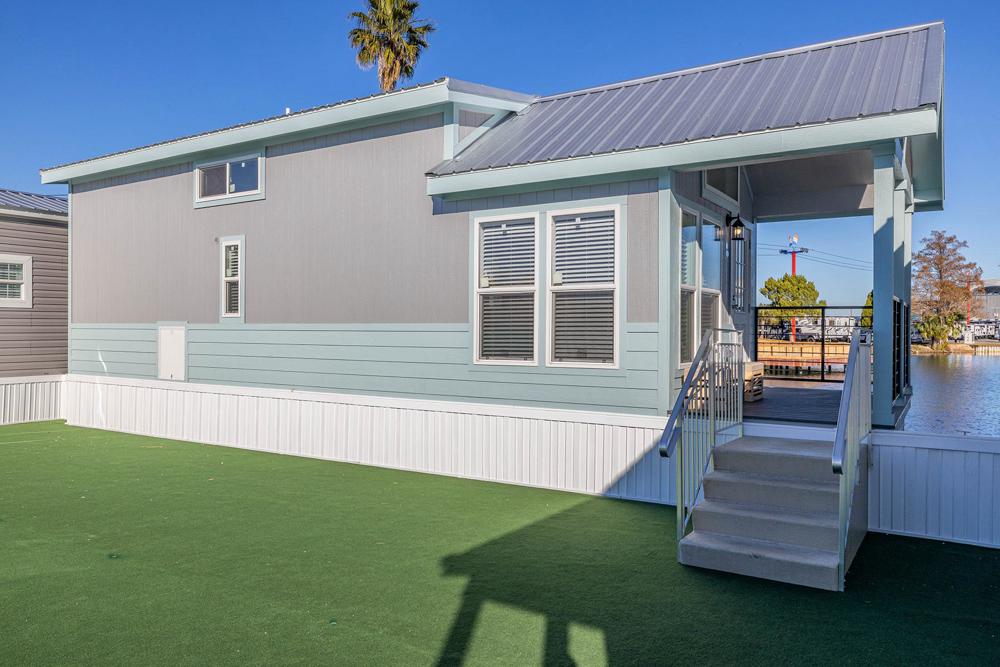
If you want mobility, lowest price, and the fastest closing — the Hayden or Cedar Ridge at $42,899. If you want 2-bedroom space and HUD certification — the Key West at $54,899. If you want a permanent ADU or main residence that appraises traditionally — the Homestead at $75,899 or the Birch at $77,899. Browse the full 2026 inventory here.
Still weighing options? Our team answers zoning, financing, and delivery questions by phone Monday-Saturday at (432) 242-3232, or you can submit your details at our contact page and we’ll come back inside one business day.
See also: how to buy a tiny home (9-step process) for the buyer's workflow that pairs with this overview.