Quick answer
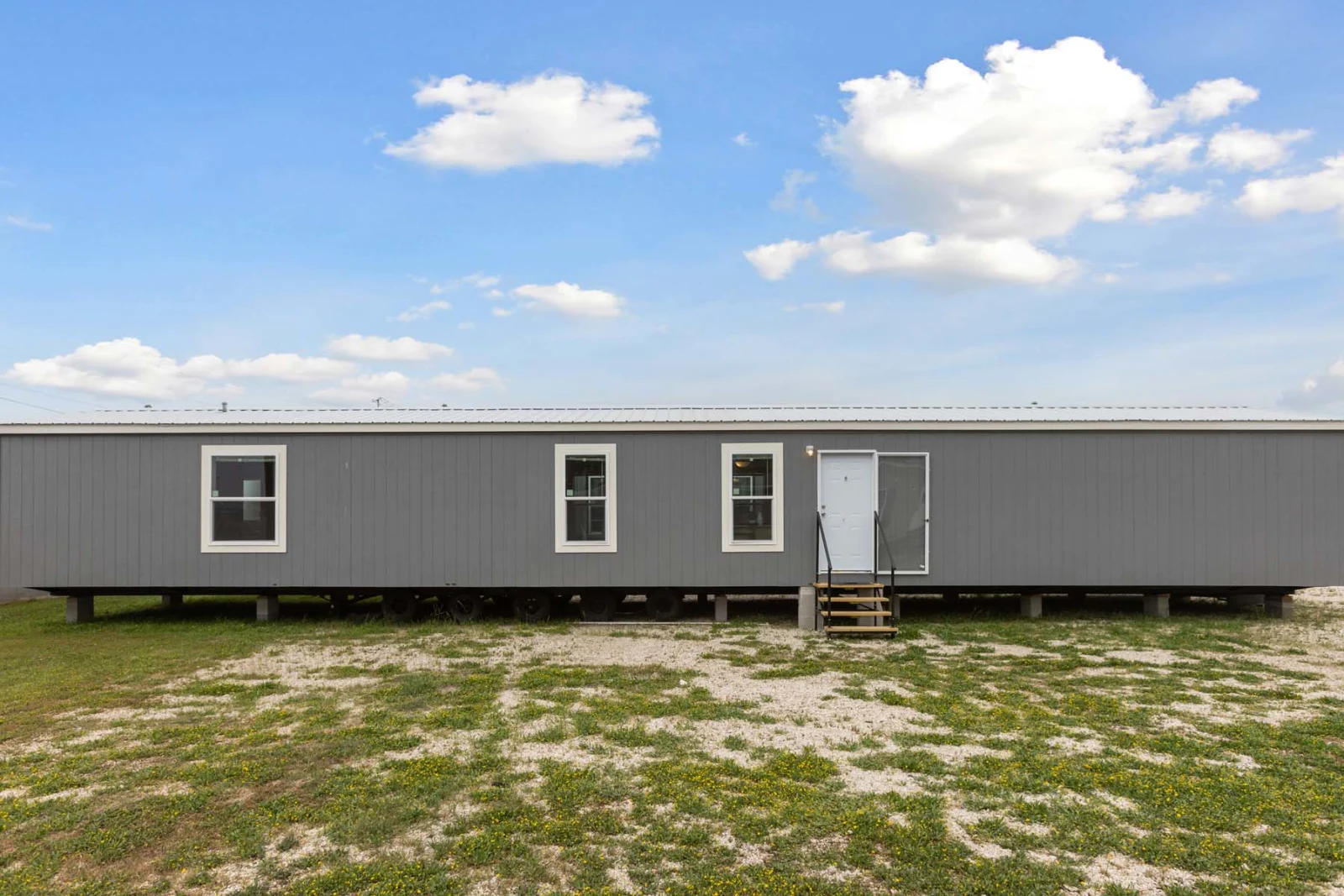
Tiny home foundation options in 2026: concrete piers ($1,800-$5,500, most common for HUD), concrete slab ($4,500-$12,000, permanent), basement ($15,000-$40,000, premium), runners or strip footings ($2,500-$7,000, lighter-duty), skids ($800-$2,500, RVIA park models), and trailer chassis ($0 incremental, RVIA on wheels). Foundation choice drives mortgage eligibility, resale value, and frost-depth and seismic compliance.
Why foundation choice is the second-most-important spec decision
After code type (HUD/RVIA/modular), foundation type is the single biggest decision shaping a tiny home’s legal classification, financing eligibility, and long-term value. The same exact unit on a permanent foundation appraises 20-40% higher than on temporary blocks. Mortgage eligibility opens up only on permanent foundations on owned land.
The 6 foundation types compared
1. Trailer chassis (RVIA on wheels)
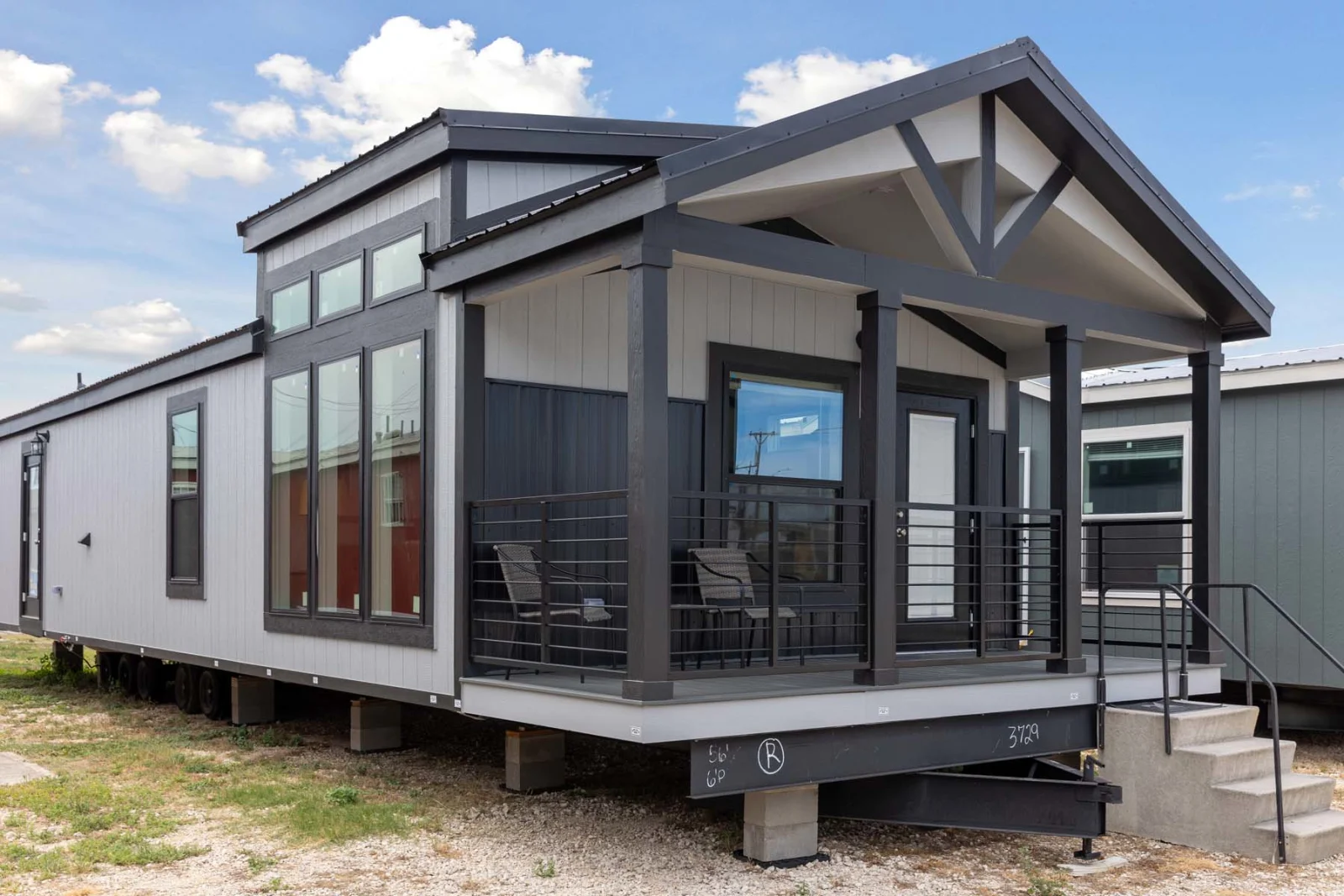
The factory steel chassis with axles and wheels intact, parked on concrete or gravel pad. The unit can legally tow on roads. Cheapest option (no additional foundation cost). Vehicle title required. Mortgage ineligible. Best for buyers prioritizing mobility.
2. Skids
Heavy timber or steel runners under the unit, set on a gravel or concrete pad. Cost: $800-$2,500. Common on RVIA park models that have wheels removed. Slight permanent feel without legal “real property” conversion. Vehicle title typically remains.
3. Concrete piers
Discrete concrete columns set on poured footings, with the unit’s frame resting on top. Most common foundation for HUD-code units. Cost: $1,800-$5,500 depending on number of piers and frost depth. Standard configuration for HUD installation. Real-property conversion possible if combined with anchoring and chassis removal.
4. Concrete slab
Full concrete pad poured to the unit’s footprint plus a few feet of buffer. Cost: $4,500-$12,000. Permanent. Real-property eligible. Strong resale. Required in some flood-prone or termite-active regions. Best foundation for HUD or modular units intended as permanent dwellings.
5. Strip footings or runners
Continuous concrete strips running the length of the unit, supporting the chassis or skids along load lines. Cost: $2,500-$7,000. Lighter-duty than full slab; more permanent than piers. Real-property eligible with proper anchoring.
6. Basement or crawl space
Excavated below-grade structure. Cost: $15,000-$40,000+. Maximum permanence and resale value. Adds significant usable storage space. Most common with modular cottages on owned suburban or urban lots. Premium investment but appraisal benefits exceed cost in many markets.
Side-by-side comparison
| Foundation | Cost | Permanent? | Mortgage eligible? | Best for |
|---|---|---|---|---|
| Trailer chassis | $0 | No | RV loan only | Mobile RVIA |
| Skids | $800-$2,500 | Semi | Limited | Static RVIA |
| Concrete piers | $1,800-$5,500 | Yes (with anchoring) | Yes (HUD) | Standard HUD |
| Strip footings | $2,500-$7,000 | Yes | Yes | HUD or modular |
| Concrete slab | $4,500-$12,000 | Yes | Yes (best) | Long-term residence |
| Basement / crawl | $15,000-$40,000 | Yes (max) | Yes (best) | Modular permanent |
Climate factors that change foundation choice
- Frost depth. Piers and footings must extend below the frost line. North Dakota: 60-72 inches. Missouri: 30-36 inches. Florida: 0 inches. Frost depth requirement adds $400-$1,500 to pier cost.
- Flood zone. FEMA flood zones often require slab or piers with flood vents. Verify before site prep.
- Seismic zone. California and Pacific Northwest require seismic anchoring. Adds $400-$1,200 to install.
- Soil type. Sandy soil in Florida or Texas may require deeper footings. Clay soil in much of TX, OK requires expansion-tolerant design.
- Hurricane zone. Coastal counties require hurricane tie-down anchors. $800-$2,200 added.
Information gain: the “permanent foundation” legal definition
For mortgage and real-property purposes, “permanent foundation” isn’t one specific type — it’s a configuration meeting specific requirements. HUD’s Permanent Foundation Guide (PFGMH) requires:
- Foundation extends below frost line.
- Foundation is anchored to the structure (not just resting under it).
- Chassis is anchored to the foundation (or removed entirely).
- Skirting fully encloses the perimeter.
- Utility connections are permanent (not flexible / movable).
- Engineer certification (FHA loans require this).
A unit on concrete piers can meet this definition; piers alone don’t guarantee it. Verify with the lender what their specific definition requires before installation. Mismatched configuration is the #1 reason FHA-eligible HUD units get denied at the appraisal stage.
Foundation by use case
- RVIA mobile / weekend property: trailer chassis, possibly with skids.
- RVIA static placement, leased lot: skids on gravel pad.
- HUD-code rural placement, paying cash, plan to stay 5+ yr: concrete piers, anchored.
- HUD-code primary residence with mortgage: permanent piers per PFGMH or concrete slab.
- Modular cottage on owned suburban lot: concrete slab or basement.
- ADU placement: concrete slab.
- Mountain or seismic zone: engineered piers with seismic anchoring.
- Flood zone: piers with flood vents OR raised slab per FEMA elevation.
For foundation-spec quotes for your specific site and code requirements, contact us at /contact-tiny-homes/. For the upstream code question (HUD vs RVIA vs modular), see our codes article.