Quick answer
Yes, you can finance a tiny home or ADU in California. Tiny Homes USA buyers in CA finance at 5.57% APR over 15 years with no minimum credit score required and only a soft credit pull at pre-qualification (no impact on your score). California also offers state-level CalHFA programs and several city-level ADU financing programs (LA, San Francisco, San Diego, Oakland) that can stack with private financing. Most CA buyers pay $499–$700/month after a 10% down payment.
How tiny home financing works in California
California has the most progressive ADU and tiny home rules in the country, but financing is the missing piece for most buyers. Traditional mortgages from CA banks rarely cover manufactured or park-model homes outright — even on owned land — because the home is treated as personal property rather than real property. That’s where our nationwide lender network steps in.
Tiny Homes USA partners with lenders licensed in California for three product types: RV loans (best rates, RVIA-certified units only), chattel mortgages (longer terms, foundation-set manufactured homes), and personal loans (unsecured, no land required). We pre-qualify you with all three in parallel so you can pick the program that fits your home + lot situation.
California-specific programs you should know
Beyond our standard nationwide financing, California buyers may qualify for state and city programs that stack with private loans — meaning they reduce your effective cost without replacing the private loan you'd otherwise need:
- CalHFA ADU Grant — up to $40,000 to cover pre-development costs (site plans, permits, soft costs) for ADUs on existing owner-occupied lots. Income limits apply. Renewed periodically; check status before applying.
- City of Los Angeles ADU Accelerator — permit fee deferrals and select financing partnerships for income-qualified ADU placements.
- San Francisco ADU Loan Program — below-market loans (varies by year and budget) for owner-occupied SF homeowners adding an ADU.
- San Diego ADU Bonus Program — permit-fee reductions and density bonuses for affordable ADUs.
- Oakland ADU Loan Program — low-interest construction loans for Oakland homeowners building ADUs on existing lots.
Our team confirms current program eligibility before you commit. Programs change with each state and city budget cycle, so what was open in 2024 may be paused in 2026.
What you'll pay: real California financing scenarios
| Scenario | Home price | Down (10%) | Monthly (15-yr, 5.57% APR) | Total interest |
|---|---|---|---|---|
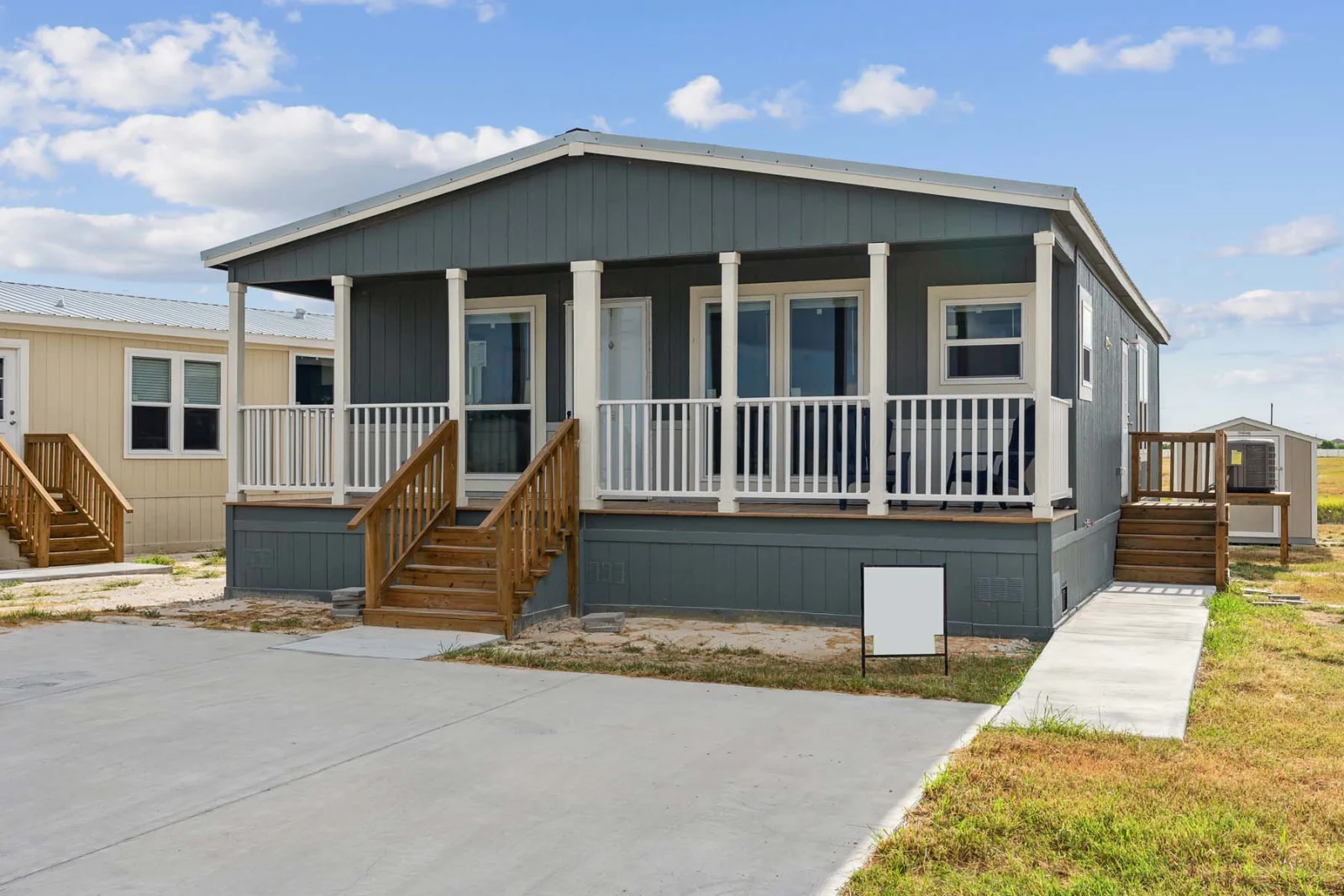
| Entry park model (Cedar Ridge) | $42,899 | $4,290 | ~$316/mo | ~$18,200 |
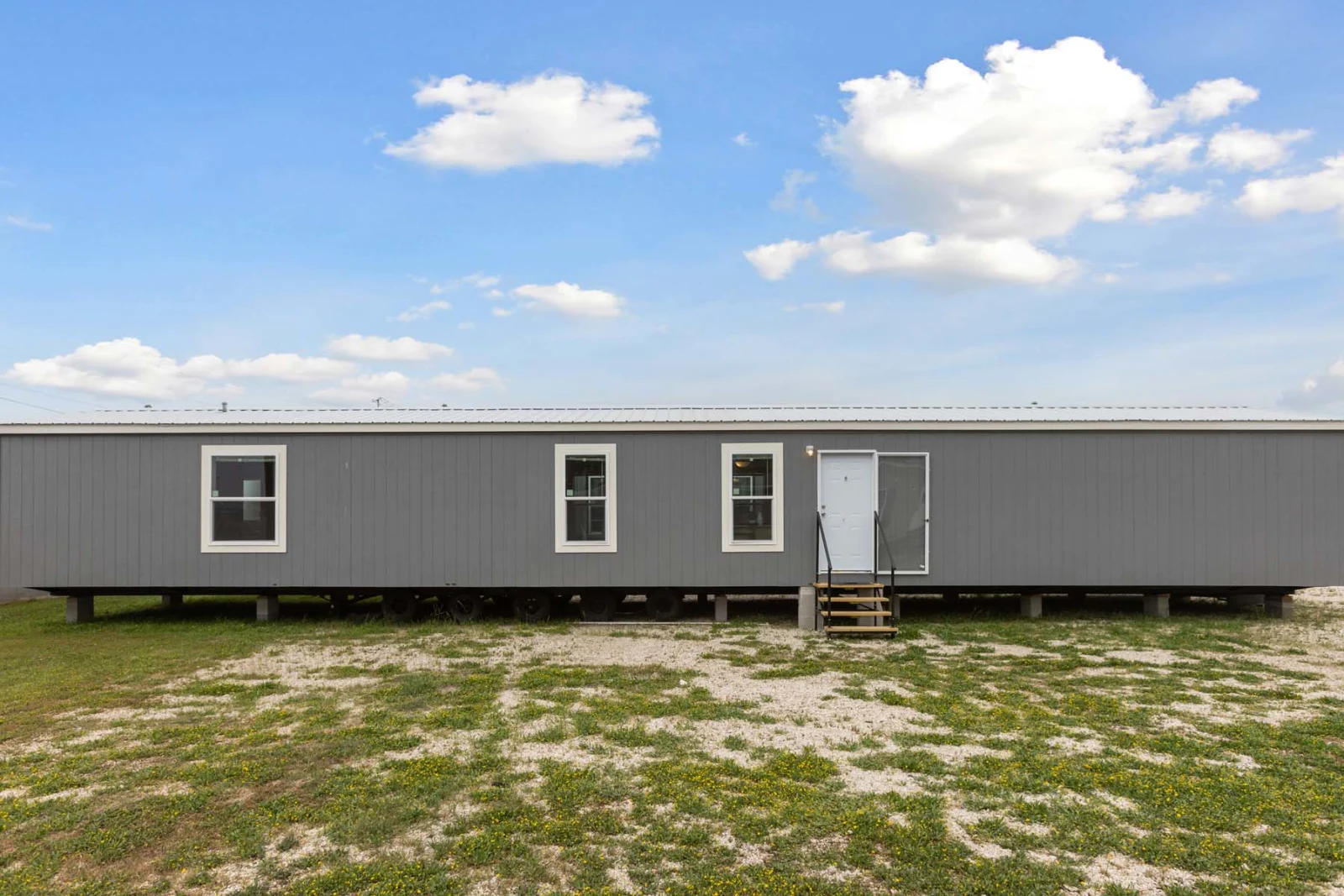
| Mid-range manufactured (Homestead) | $75,899 | $7,590 | ~$560/mo | ~$32,200 |
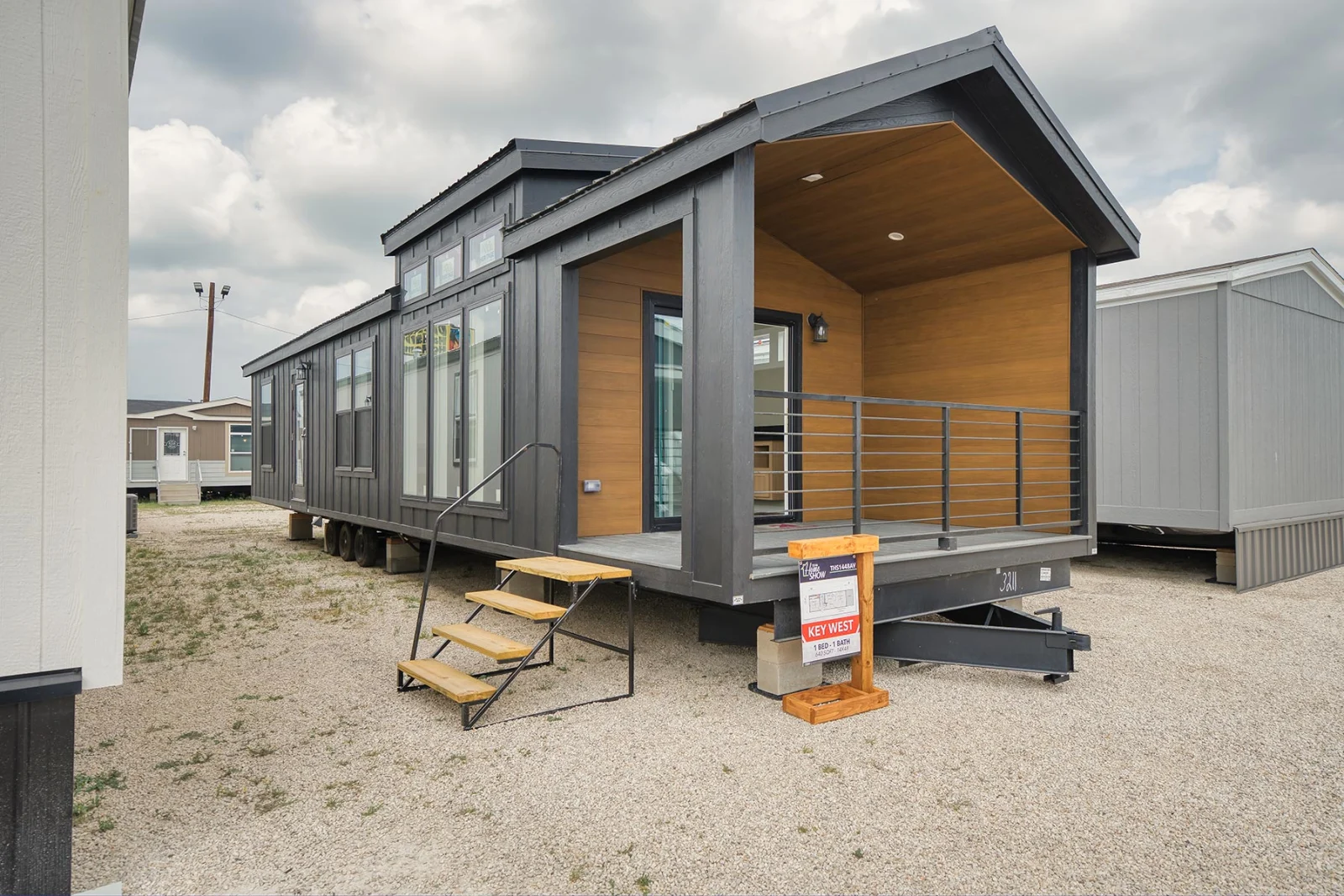
| Premium California ADU (Birch) | $77,899 | $7,790 | ~$575/mo | ~$33,100 |
These are real numbers from our lender pipeline. Your specific rate depends on credit profile, loan type, and program selection — the soft pull at pre-qual confirms the exact APR before you commit.
California ADU financing: the bigger picture
California passed SB 9 (lot-splitting) and statewide ADU legislation that require cities to allow accessory dwellings on most residential lots. The result: every CA homeowner with a backyard can legally add a tiny home or manufactured ADU. The financing question is "how do I pay for it" rather than "can I build it".
Two paths most California ADU buyers take:
- Cash-out refinance on the primary home + use proceeds to pay for the ADU outright. Best for buyers with significant home equity.
- Tiny Homes USA financing (5.57% APR, 15-yr term) + optional CalHFA grant for soft costs. Best for buyers who want to keep the primary mortgage untouched.
Option 2 is what most of our California buyers choose because it doesn't disturb their existing low-rate primary mortgage and the soft credit pull means you can pre-qualify without committing.
Steps to get pre-qualified for California financing
- Submit the 5-minute pre-qualification form on our financing hub. Soft credit pull only — no impact on your score.
- Get pre-qualified within 24 hours. We match you with the best lender program for your CA situation.
- Verify California-specific eligibility for CalHFA or city ADU programs if applicable. Our team handles this.
- Choose your tiny home from our inventory.
- Hard credit pull and final approval happens only when you formally commit to a specific model.
- Funds disburse at delivery / installation milestones.
Common California financing questions
Can I get a traditional mortgage on a tiny home in California?
What credit score do I need to finance a California tiny home?
Do California sales tax rules apply?
Can I finance a tiny home AND the land it sits on?
How fast can I get financing for a California tiny home?
Next steps
If you're a California buyer ready to start, submit our pre-qualification form — soft credit pull only, response within 24 hours. We'll match you with the best lender program for your situation, verify CalHFA / city eligibility if relevant, and walk you through the timeline from pre-qual to keys.
If you want to browse first, see our California tiny homes for sale page for delivery details and the models we route most often to CA buyers.