Quick answer
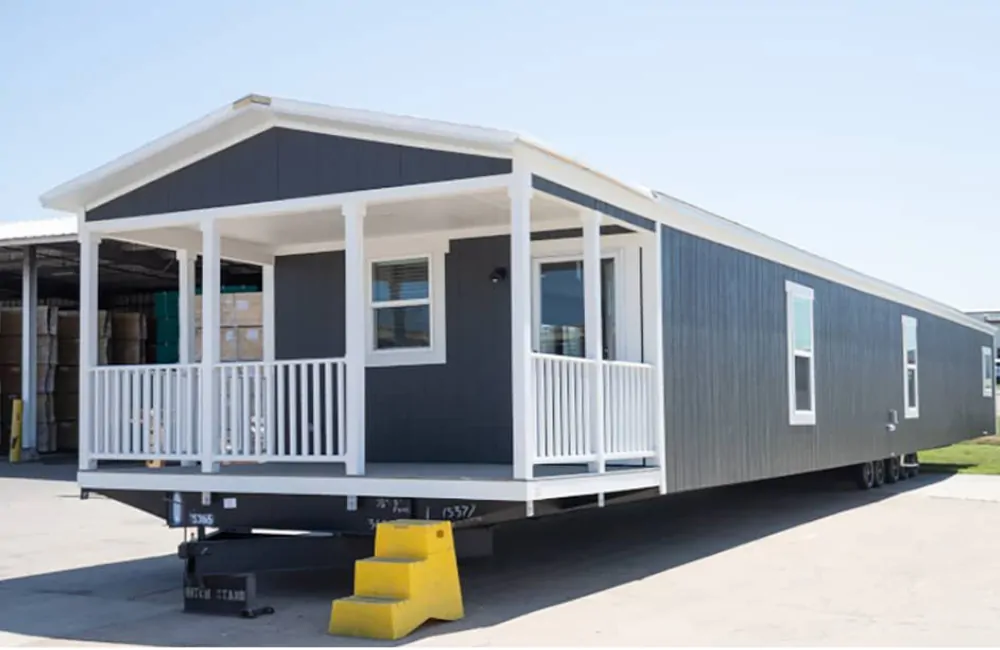
A single wide manufactured home is one chassis section, typically 14-18 ft wide and 600-1,200 sq ft, priced $55K-$95K in 2026. A double wide is two sections joined on site, typically 24-32 ft wide and 1,000-2,400 sq ft, priced $95K-$185K. Single wides cost less and deliver in one piece; double wides feel like traditional houses and resell stronger.
What “single wide” and “double wide” really mean
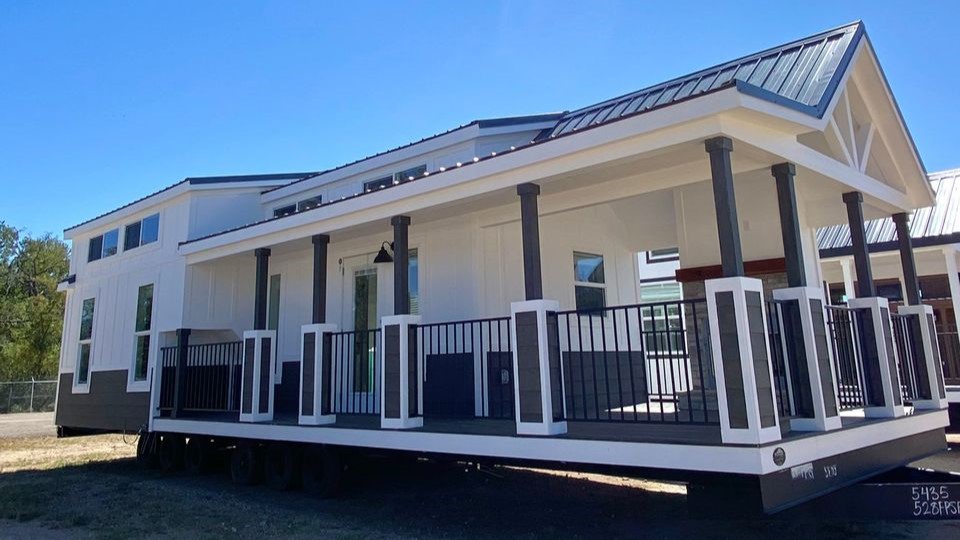
The terms refer to how many factory-built sections combine to make the finished home. A single wide is one section delivered intact on its own chassis. A double wide is two sections (sometimes called “halves” or “modules”) trucked separately and joined on-site by a set crew. Both are built to HUD code, which means they meet the same federal standards for fire, structure, and weatherization regardless of width.
For tiny home buyers, the single wide overlaps directly with our larger park model footprints. The Key West at 640 sq ft is technically a HUD-code single wide, just sized at the small end of the range.
Side-by-side at a glance
| Factor | Single Wide | Double Wide |
|---|---|---|
| Width | 14-18 ft | 24-32 ft (combined) |
| Length | 50-80 ft | 40-76 ft |
| Square footage | 600-1,200 sq ft | 1,000-2,400 sq ft |
| Bedrooms | 1-3 | 2-4 |
| Base price 2026 | $55K-$95K | $95K-$185K |
| Delivery | One trip | Two trips + set crew |
| Set time | 1 day | 2-4 days |
| Site pad cost | $3K-$8K | $6K-$15K |
| Resale 5 yr | 70-85% of original | 80-95% of original |
When a single wide makes sense
Single wides win on three buyer profiles. Budget-first buyers who want HUD-code construction without the double-wide premium. Narrow-lot buyers — especially infill lots, older mobile home parks, or properties where the access path can’t accommodate a 14-foot-wide module. And solo buyers or couples who don’t need a third bedroom and don’t want to clean square footage they don’t use.
Real-world numbers
A 720 sq ft single wide at $68,000 base, $4,800 delivery, $5,500 pad, and $1,800 hookups lands all-in around $80K. The same buyer in a comparable double wide at 1,400 sq ft pays $130K base, $9,200 delivery, $10,000 pad, hits $155K all-in. The double-wide spends 94% more for 94% more space — close to break-even on cost-per-sq-ft, but a major gap in monthly mortgage and property tax.

When a double wide is worth the premium
Double wides earn their price tag when you need (a) three or more bedrooms, (b) the visual presence of a traditional house for resale, (c) a layout with a true separated master suite, or (d) financing through a conventional 30-year mortgage that requires a minimum square footage. Most lenders prefer 1,000+ sq ft for a 30-year manufactured-home mortgage.
A double wide also reduces the “mobile home stigma” in resale photography. Once it’s on a permanent foundation with skirting and landscaping, it photographs and shows like a single-story ranch.
Information gain: the financing detail buyers miss
Most buyers compare single vs double wide on price-per-square-foot, but the meaningful comparison is monthly cost-per-bedroom-mile — what each bedroom costs you per month at today’s rates. Run the numbers on a 25-year chattel loan at 7.99%:
- Single wide, 2 bed, $80K all-in — payment $617/month, $309 per bedroom.
- Double wide, 3 bed, $155K all-in — payment $1,196/month, $399 per bedroom.
Per bedroom, the single wide is 23% cheaper per month. Unless you specifically need three bedrooms (kids, home office plus guest, multi-gen), the single wide pencils harder.
Setting expectations on permits and zoning
Both single and double wides need a HUD installation permit in nearly every state. Double wides also typically require a marriage-line inspection, which adds 2–5 business days and $150–$400 in fees. Some HOAs and master-planned communities allow only double wides, and a small number ban manufactured housing entirely. Always verify before deposit.
Recommendation
If your budget is under $100K all-in and you need 1–2 bedrooms, choose a single wide. If you need 3+ bedrooms, plan to be in the home 10+ years, and want stronger appraisal comps, the double wide is worth the step up. Browse our 1- and 2-bedroom HUD-code units or call (432) 242-3232 to compare options for your land.
See also: manufactured home vs modular home — the construction-code comparison that sits one level above the single-vs-double-wide decision.