Quick answer
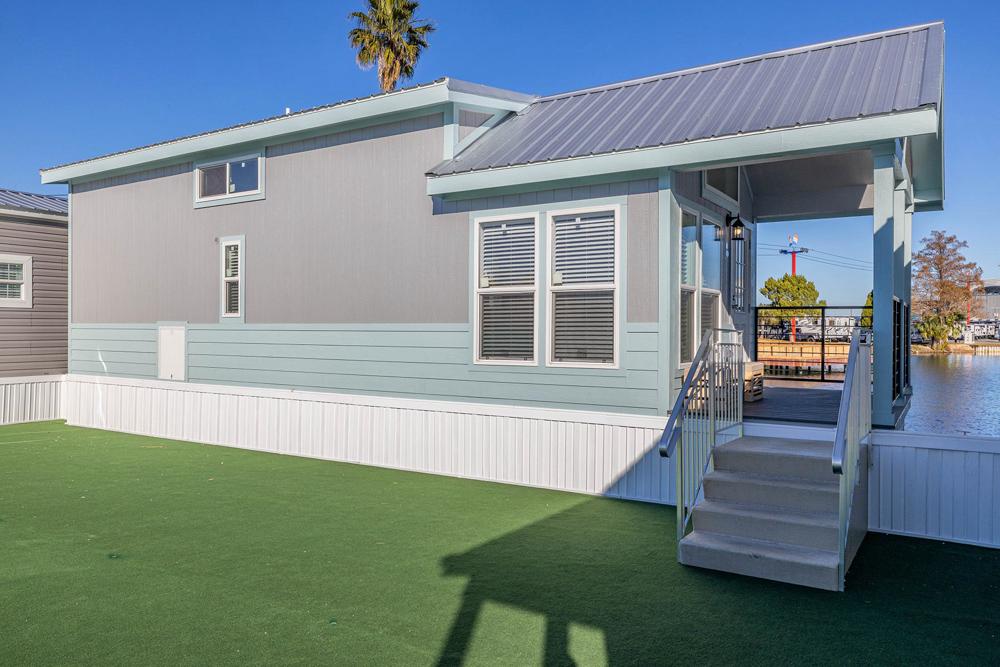
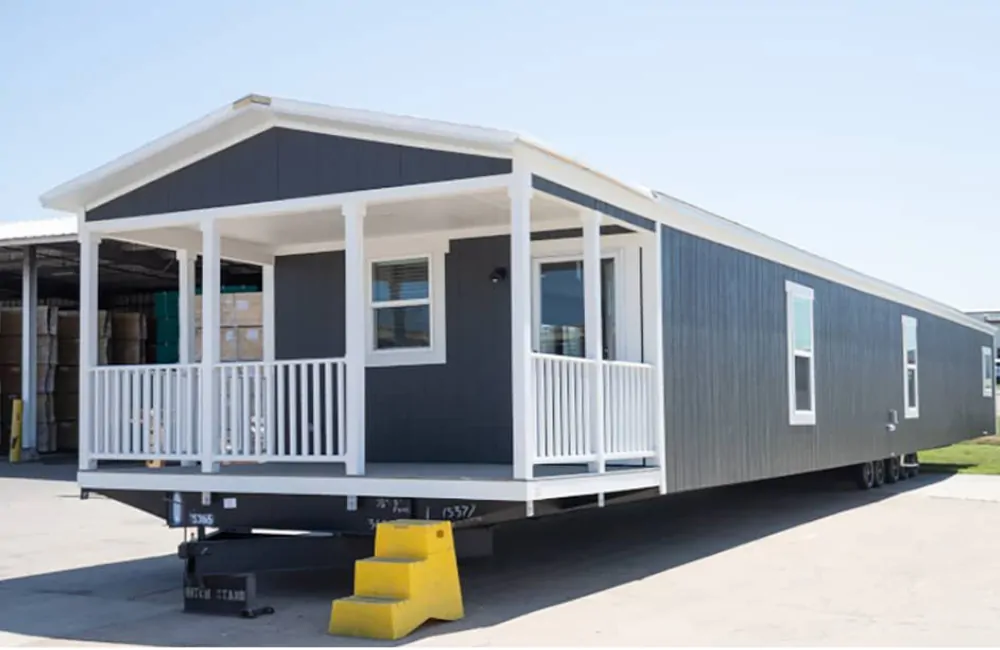
A park model RV is a factory-built RV under 400 sq ft, certified to ANSI A119.5, titled like a vehicle, and financed through RV lenders. A tiny home is a broader category that can be RVIA, HUD, or state-code built, and can be up to 1,200+ sq ft. Park model RVs are cheaper and more portable; tiny homes on foundations appraise, finance, and resell like traditional housing.
The root of the confusion
“Park model RV” and “tiny home” get used interchangeably in marketing, but in zoning code and at the bank they are not the same product. Get this wrong and you’ll run into one of three problems: the county refuses your placement, your lender won’t fund, or your insurer won’t bind coverage.
In my experience, about 15% of first-call buyers have the two categories mixed up. The difference shapes everything — certification, title, financing, insurance, resale, and whether you can legally live in it.
Side-by-side comparison
| Factor | Park Model RV | Tiny Home (broad category) |
|---|---|---|
| Certification | ANSI A119.5 / RVIA | RVIA, HUD, or state code |
| Maximum size | 400 sq ft main floor | No upper limit (often 600-1,200 sq ft) |
| Built on | Steel chassis, permanent wheels | Chassis or skids, or delivered to foundation |
| Title | Vehicle title (DMV) | Vehicle or real-property deed |
| Typical base price | $42,899-$65,000 | $42,899-$120,000+ |
| Financing | RV loan, 10-20 yr | RV, chattel, or mortgage, 10-30 yr |
| Insurance | RV policy or dwelling rider | Mfd home, dwelling, or homeowner policy |
| Zoning path | RV park, tiny community, rural | Above plus residential ADU, main dwelling |
| Typical 5-yr resale | 55-75% of original price | 80-105% if on foundation with land |
When a park model RV is the right answer
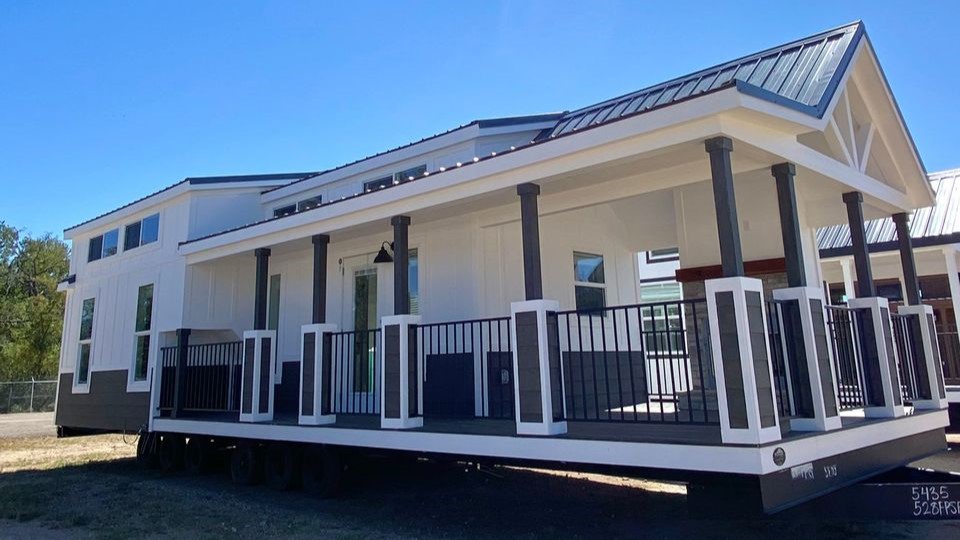
Pick a park model RV if any of these fit: you want to stay under $55K all-in, you’re placing on leased or family land, you want the option to relocate in 3–5 years, or your county only accepts RV-certified units. Our Hayden and Cedar Ridge at $42,899 are both RVIA park models — 399 sq ft, tow-ready, and deliver nationwide.
When a tiny home is the right answer
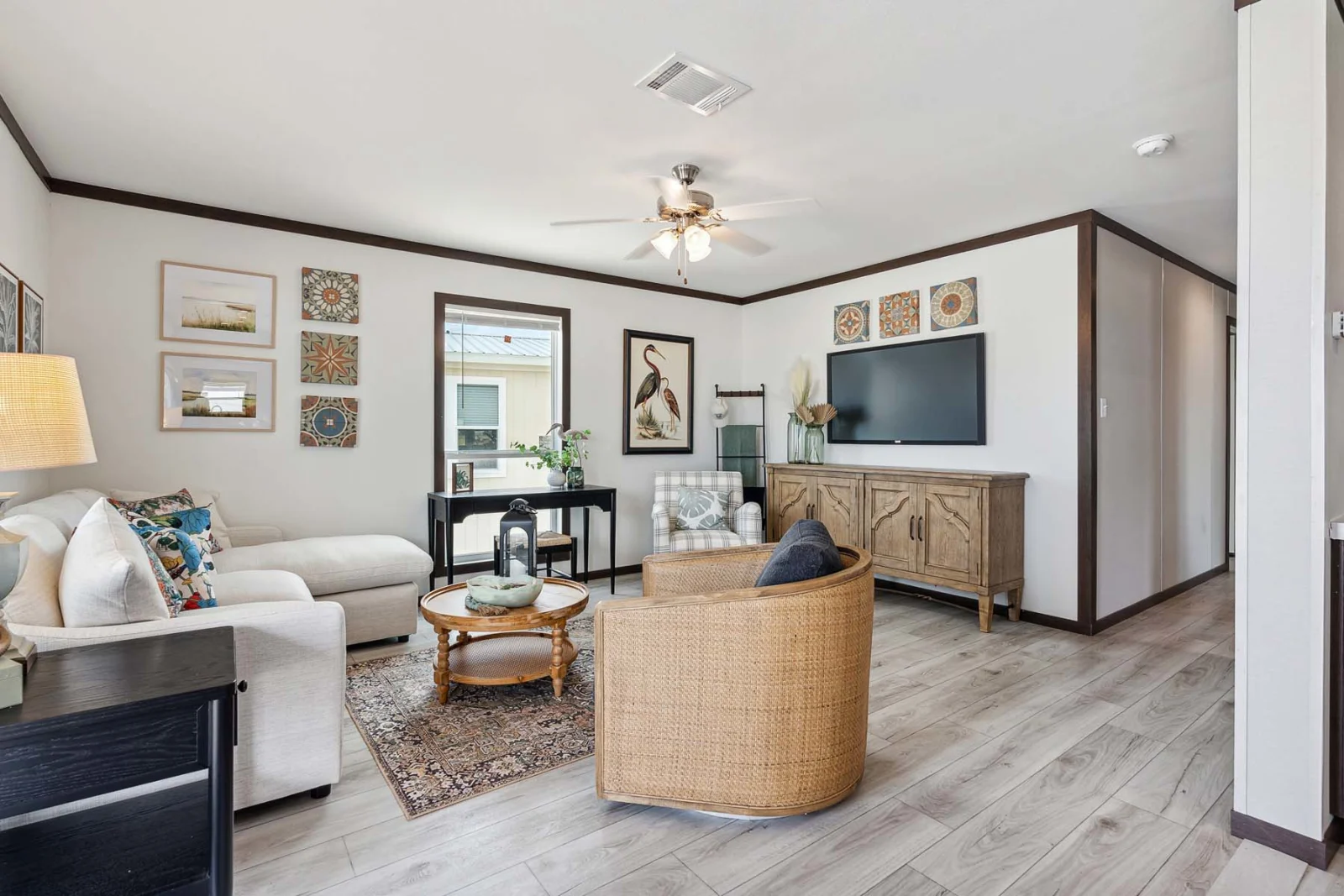
Choose a broader tiny home when you want permanence. If you’re placing on owned residential land, adding an ADU, planning to age in place, or building equity you can pull through a mortgage — go foundation-ready. Our Homestead at $75,899 (840 sq ft) and Birch at $77,899 (1,153 sq ft) both appraise as permanent dwellings.
The zoning question that decides for you
Run this three-minute test with your county: “On my parcel, can I place an RVIA-certified unit as a permanent residence, or do you require HUD or state-code construction?”
- If they accept RVIA — park model RV saves you $15K–$35K.
- If they require HUD or state-code — a park model RV won’t clear permitting no matter how nice it looks.
- If they say “it depends” — ask for the code section in writing.
Information gain: the financing trap to avoid
Here’s a pattern I see almost every month: a buyer picks a park model RV because the RV loan rate is lower than a manufactured-home mortgage. They save 0.5–1.5% on the rate. Three years later they try to refinance and can’t — because the unit is on a vehicle title, not a real-property deed, and no conventional lender will touch it.
If you suspect you’ll want to refinance or pull equity later, buy a HUD-code or state-code tiny home on a permanent foundation. Yes, your first loan costs a little more, but you keep optionality. The park model RV is the better buy if mobility matters more than long-term financing flexibility.
Resale reality check
Park model RVs depreciate on an RV curve — expect 55–75% of original price after five years in good condition. Foundation tiny homes on owned land appreciate with the land and comparable housing stock — I’ve seen 5-year resale ranges of 80–105% of original price in healthy markets like Austin metro, Nashville exurbs, and coastal Florida.
Bottom line
If the mission is affordable, portable, and good-enough-for-now housing — park model RV wins. If the mission is permanent, equity-building, mortgage-backed housing — go tiny home on a foundation. If you’re not sure which camp you’re in, call us at (432) 242-3232 or send your parcel address to /contact-tiny-homes/ and we’ll pull the zoning for free.