Quick answer
An FHA modular home loan is a government-insured mortgage that lets you finance a factory-built modular home the same way you would a site-built house — because a modular home, once set on a permanent foundation, is legally classified as real property. FHA modular loans require as little as 3.5% down with a credit score of 580 or higher (10% down from 500–579), use standard FHA Title II financing, and are subject to county loan limits that in 2026 start at $524,225 for a single-family home in most areas. The home must be permanently affixed to a foundation, meet the IRC building code, and be your primary residence. Because modular homes are built to the same state and local codes as stick-built homes, they appraise and finance almost identically — making FHA one of the most accessible paths to ownership.
What is an FHA modular home loan?
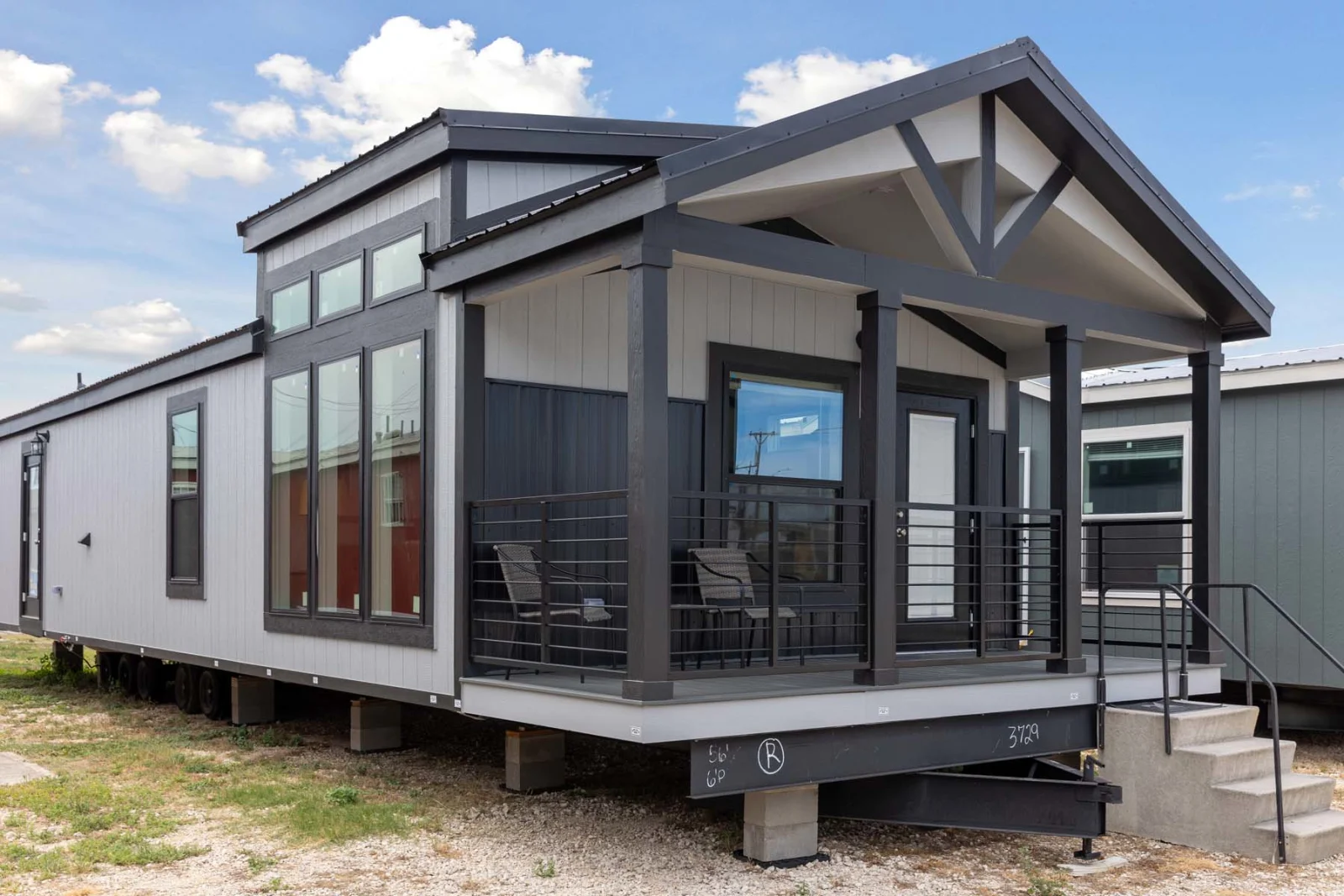
An FHA modular home loan is a mortgage insured by the Federal Housing Administration that you use to buy a modular (factory-built, code-built) home. The reason FHA financing works so cleanly for modular homes is a legal one: a modular home is built to the same state and local International Residential Code (IRC) as a site-built house, and once it is permanently set on a foundation and titled as real estate, the lender and the appraiser treat it exactly like any other house.
That puts modular homes in the easiest FHA category — Title II real-property financing — rather than the more restrictive chattel/personal-property loans used for some manufactured and mobile homes. In practice that means a low 3.5% down payment, a 30-year fixed term, competitive rates, and the same closing process as a conventional house purchase. FHA insures the loan; an FHA-approved lender (a bank, credit union, or mortgage company) actually funds it.
Modular vs. manufactured: why the FHA rules differ
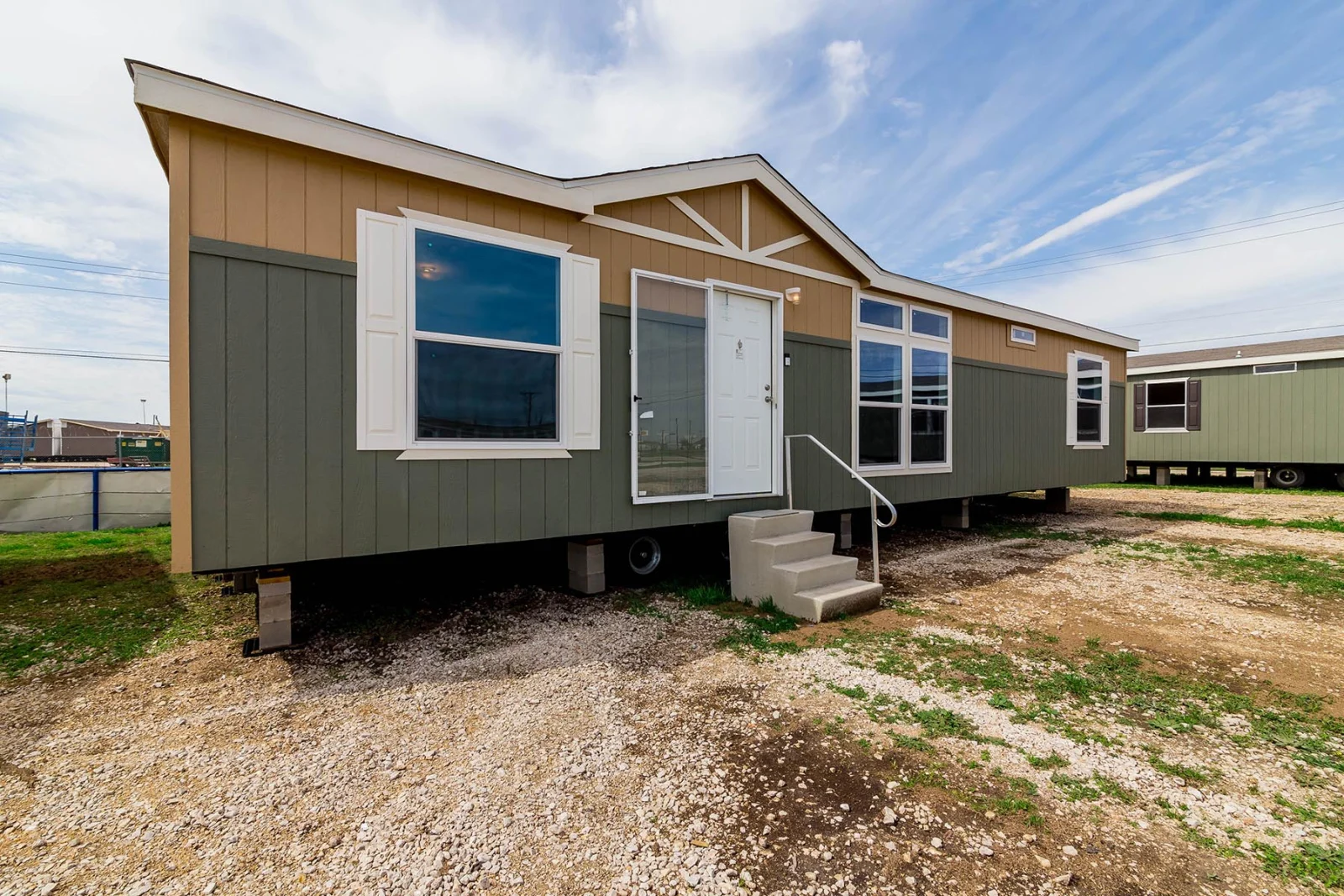
This is the single most misunderstood part of FHA factory-built financing, so it is worth being precise. The building code the home is built to changes which FHA program applies:
| Modular home | Manufactured (HUD) home | |
|---|---|---|
| Built to | State/local IRC code (same as site-built) | Federal HUD code |
| FHA program | Title II (real property), like a regular house | Title II if on permanent foundation & titled as real estate; otherwise Title I |
| Foundation | Permanent foundation required | Permanent foundation required for Title II |
| Appraisal | Compared to other site-built & modular homes | Compared to other manufactured homes |
Bottom line: a modular home is the most mortgage-friendly factory-built option. It does not carry the appraisal discount or chattel-loan complications that can affect manufactured homes, because the appraiser pulls comparable sales from regular site-built and modular houses in your market.
FHA modular home loan requirements (2026)
To qualify for an FHA loan on a modular home, you and the property both need to clear FHA’s standards. The core requirements:
- Credit score 580+ for the 3.5% minimum down payment; 500–579 is possible with 10% down (lender overlays may set higher minimums).
- 3.5% down payment — and the funds can be a documented gift from family.
- Debt-to-income (DTI) generally up to about 43%, with flexibility higher for strong files.
- Primary residence. FHA loans are for owner-occupied homes, not investment or vacation properties.
- Permanent foundation that meets FHA’s Permanent Foundations Guide; the home must be affixed and the wheels/axles/towing hitch removed.
- Titled as real property — the home and land are taxed and recorded together as real estate.
- Mortgage insurance: a 1.75% upfront premium plus an annual MIP, standard on all FHA loans.
The home also has to pass an FHA appraisal confirming it meets minimum property standards (safe, sanitary, structurally sound). Modular homes, built to full residential code, clear this comfortably.
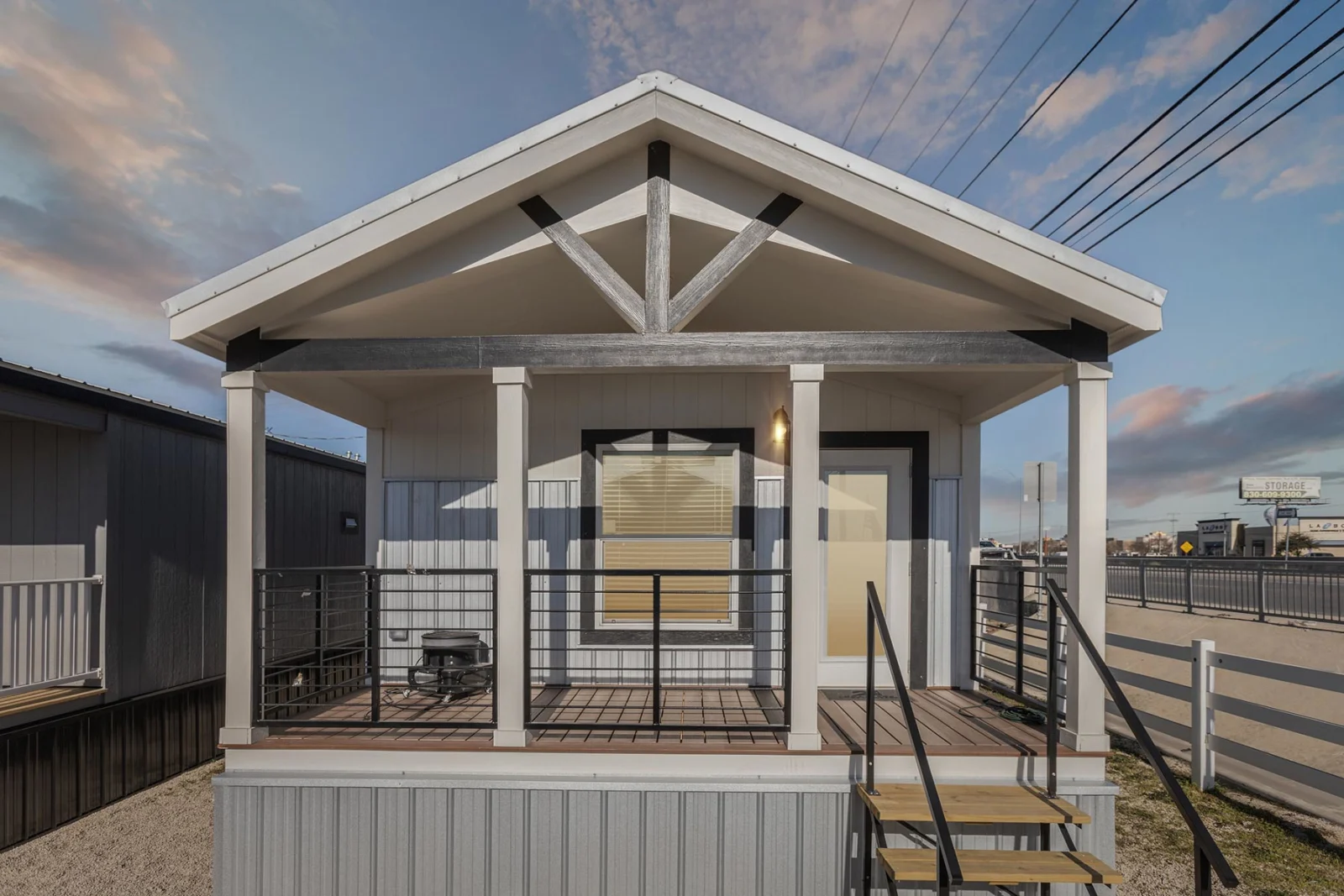
2026 FHA loan limits & how much you can borrow
FHA caps how much it will insure based on county housing costs, updated each year. For 2026, the nationwide “floor” limit for a one-unit home is $524,225 in most counties, rising in higher-cost areas to a ceiling of $1,209,750. Because modular homes are far less expensive than comparable site-built houses, almost every modular purchase falls comfortably under these limits.
To put that in perspective with real numbers: our factory-built homes range from a $42,899 park model up to a $359,113 flagship multi-section home — every one of which sits well below even the standard FHA floor. On a $150,000 modular home, a 3.5% FHA down payment is just $5,250, which is what makes this loan type so popular with first-time buyers.
Remember that the loan amount has to cover the full project: the home, the land (if you are buying it), the foundation, site work, utility connections, and delivery. An FHA One-Time Close construction loan can bundle all of those into a single mortgage for a modular build — useful when you are putting a new home on raw land.
How to get an FHA modular home loan, step by step
The path looks much like any FHA home purchase, with a couple of factory-built specifics:
- 1. Get pre-approved with an FHA-approved lender. Confirm they finance modular homes (most do, since it is real-property lending).
- 2. Choose your home and land. Pick the modular floor plan and confirm the lot, zoning, and utilities.
- 3. Plan the permanent foundation. Your site needs an engineered foundation meeting FHA’s guide; the lender will want an engineer’s certification.
- 4. Appraisal & underwriting. The FHA appraiser values the finished home against local comparables and checks property standards.
- 5. Close and build/set. With a One-Time Close loan you close once, then the home is built, delivered, and set; with a standard purchase you close at completion.
Because a modular home is built indoors in 4–12 weeks regardless of weather, the timeline is often faster and more predictable than site-built construction — a real advantage when you are paying interest during a build.
Alternatives if FHA isn’t the right fit
FHA is the most accessible option for many buyers, but it is not the only one. Worth comparing:
- Conventional / Freddie Mac CHOICEHome — for higher credit scores, can avoid lifetime mortgage insurance with 20% down.
- VA loans — 0% down for eligible veterans on modular homes on permanent foundations.
- USDA loans — 0% down in qualifying rural areas, where many modular homes are placed.
- FHA Title I — for manufactured (HUD) homes or homes not yet titled as real estate.
If you are weighing your choices, our tiny home financing guide walks through every loan type, and our modular homes for sale page shows real, finished homes with transparent prices so you know exactly what you are financing.
Buying a modular home from Tiny Homes USA
We sell finished, factory-built homes you own outright — built at our Smithville, Texas factory to full residential code and delivered nationwide, with free delivery within 1,000 miles. Because our modular and multi-section homes are set on permanent foundations and titled as real property, they fit standard FHA Title II financing the same way a site-built house does.
Every home on our site shows a real, all-in price — from the $42,899 park model to the $359,113 flagship — so you can take an exact figure to your FHA lender and calculate your 3.5% down payment to the dollar. Browse the lineup, pick your floor plan, and finance it like the real home it is.
Related from Tiny Homes USA
Find a modular home you can finance with FHA
Browse our finished, move-in-ready modular and manufactured homes — built to residential code, set on permanent foundations, with real all-in prices you can take straight to your FHA lender.
Shop Homes & Prices →