Quick answer
Mobile home skirting is the panel system that encloses the open gap between the bottom of a manufactured or park-model home and the ground. It hides the chassis and piers, blocks pests and wind, protects under-floor plumbing from freezing, improves energy efficiency, and gives the home a finished, site-built look. Common materials are vinyl (most popular, $400–$2,000 DIY), faux-brick or faux-stone ($1,500–$5,000), concrete/cement board ($2,500–$8,000), and metal ($1,000–$3,000). Cost depends on the home's length, ground height, and material. Properly vented skirting with a vapor barrier is required in most jurisdictions and is essential anywhere winters drop below freezing.
What is mobile home skirting?
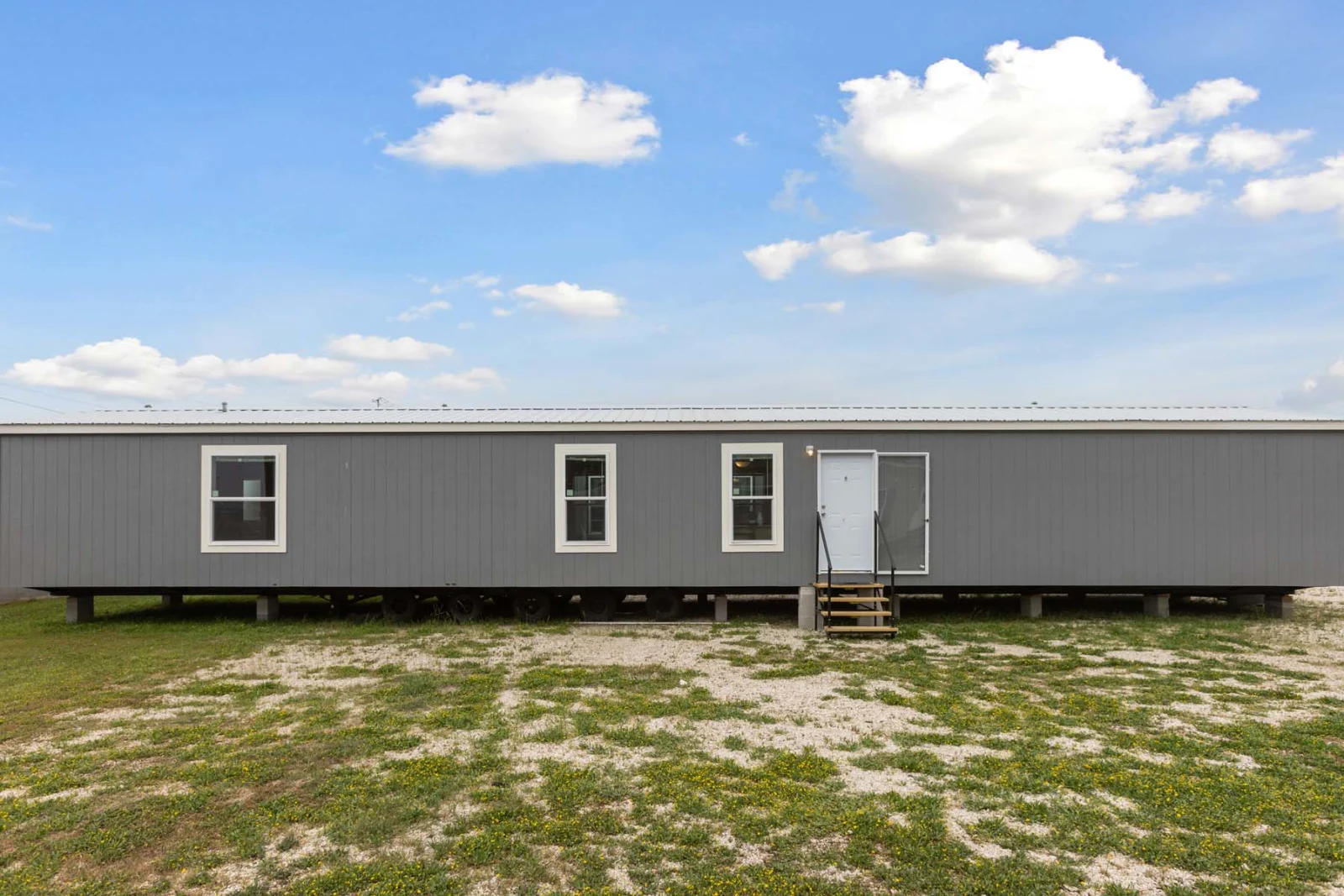
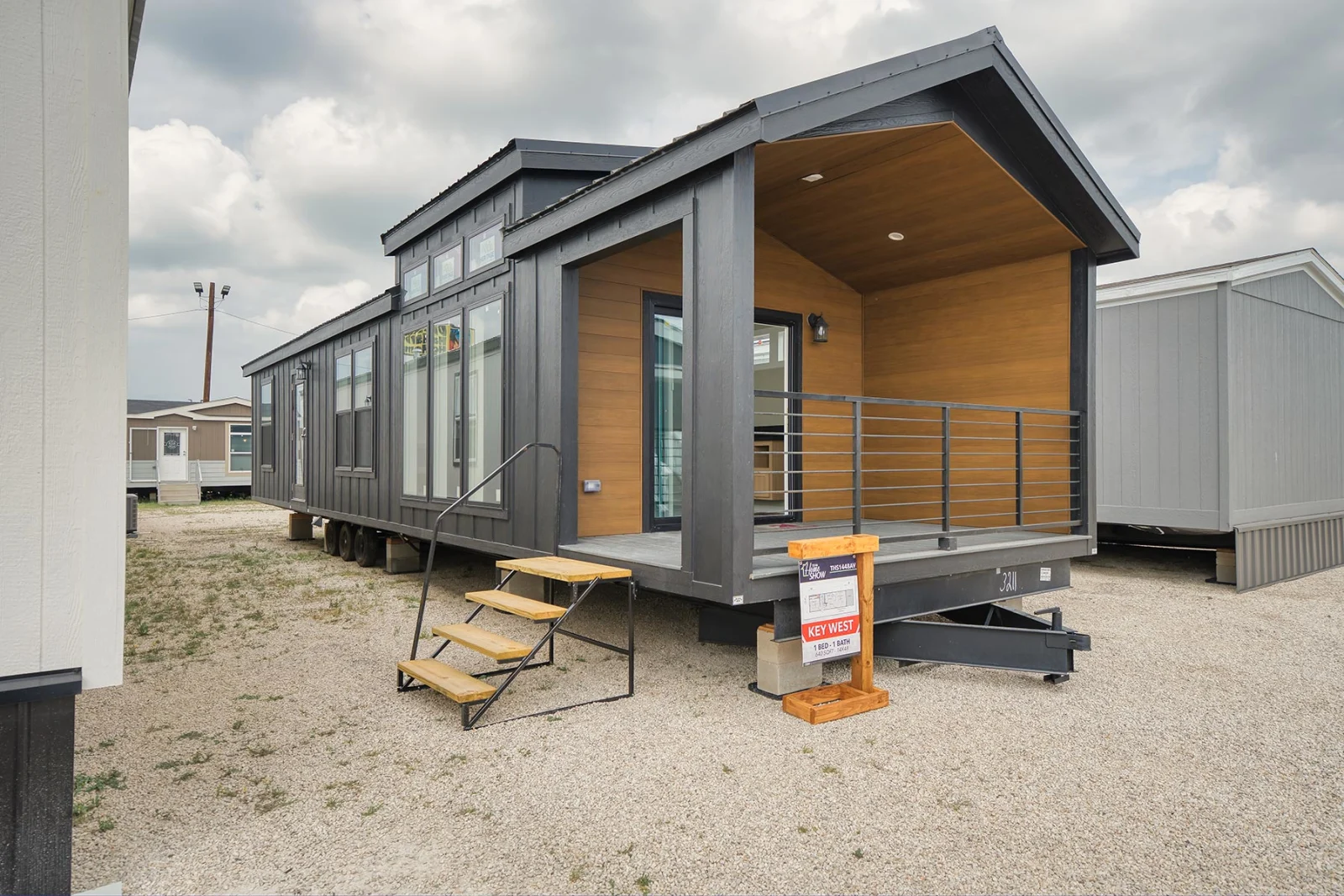
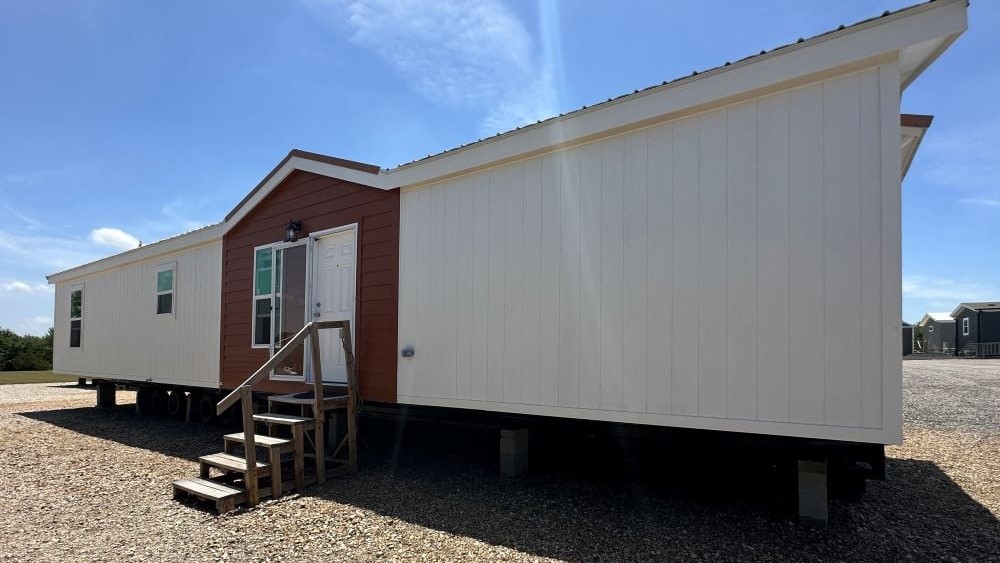
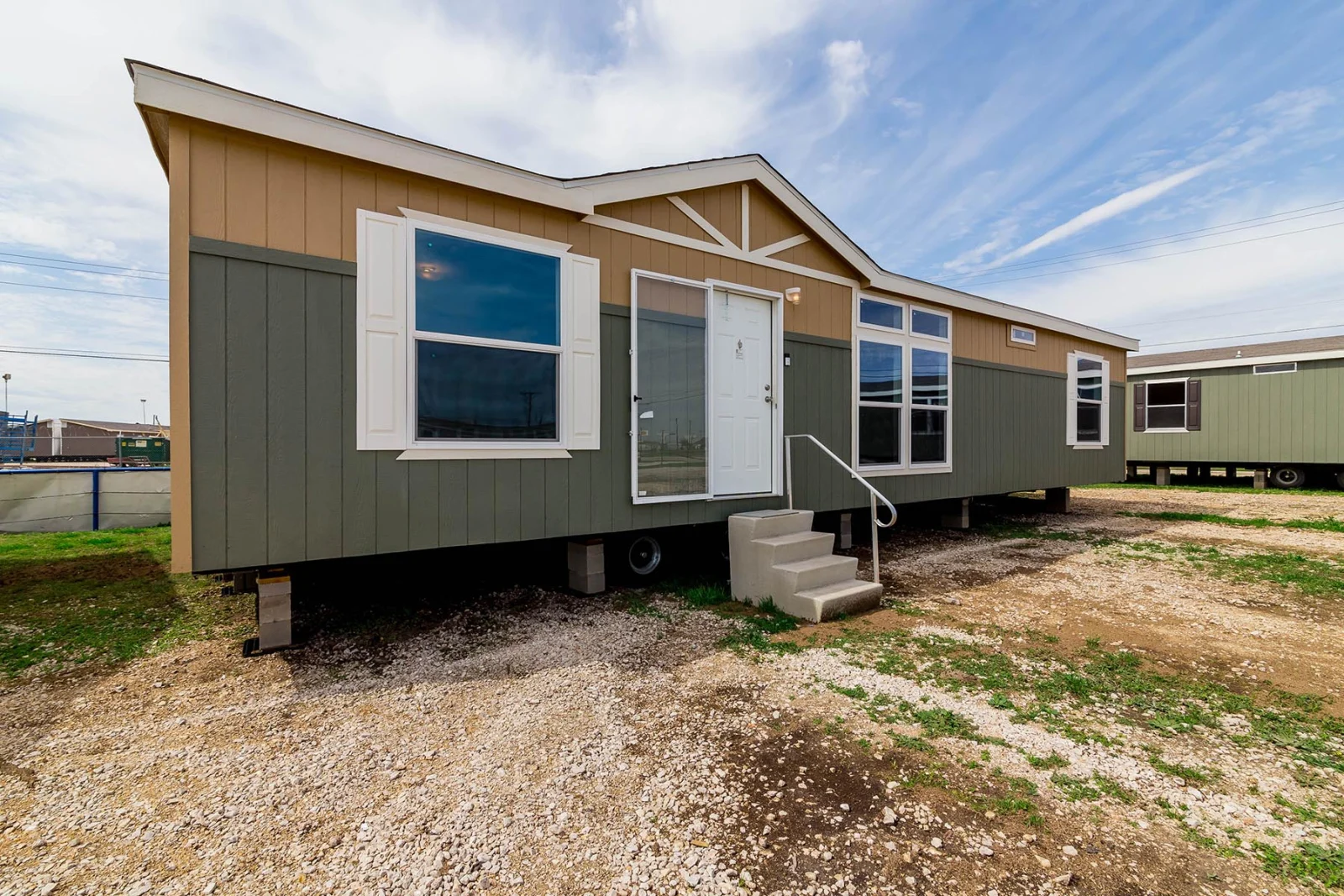
Mobile home skirting (also called underpinning) is the wall-like panel system installed around the perimeter of a manufactured home, park model RV, or modular home to close off the crawl space between the home’s floor and the ground. Because these homes are delivered on a steel chassis and set on piers or a pad, there’s an open gap underneath — usually 18 to 36 inches tall. Skirting encloses that gap.
It is not just cosmetic. Skirting is the barrier that keeps animals, wind, blowing debris, and cold air out from under your home, while still allowing the controlled ventilation building codes require. On most foundation-set homes it’s one of the last steps of installation, and on many county permits it’s actually required before final occupancy sign-off.
Why skirting matters (it’s more than looks)
Five jobs a good skirt does:
- Freeze protection. Your water supply and drain lines run under the floor. Enclosed, vented skirting keeps that space warmer and dramatically reduces the risk of burst pipes in winter.
- Pest & rodent control. An open underbelly is an invitation for raccoons, skunks, snakes, and rodents to nest against your insulation and ductwork. Skirting seals them out.
- Energy efficiency. Blocking wind from rushing under the floor cuts heating and cooling loss — owners often see noticeably lower utility bills after skirting a previously open home.
- Moisture management. Paired with a ground vapor barrier, skirting controls humidity under the home, protecting the floor system from rot and mold.
- Curb appeal & resale. Skirting is the single change that makes a manufactured home read as a permanent, site-built house instead of “parked.” It matters for appraisals and resale.
Skirting materials & cost ranges (2026)
The right choice depends on budget, climate, and how permanent you want it to look.
| Material | Typical cost | Best for |
|---|---|---|
| Vinyl | $400–$2,000 | Most buyers; easy DIY, built-in vents |
| Metal (aluminum/steel) | $1,000–$3,000 | Durability, wildfire-prone areas |
| Faux brick / faux stone | $1,500–$5,000 | Site-built look without masonry cost |
| Concrete / cement board | $2,500–$8,000 | Maximum durability, permanent installs |
| Real brick (masonry) | $5,000–$12,000+ | Permanent-foundation homes, highest resale |
Vinyl is by far the most common because it’s affordable, comes in panel kits with integrated vents, and a handy owner can install it in a weekend. Faux-brick and concrete-board cost more but hold up better and push appraised value higher.
What drives the price
Two homes can have very different skirting bills. The variables:
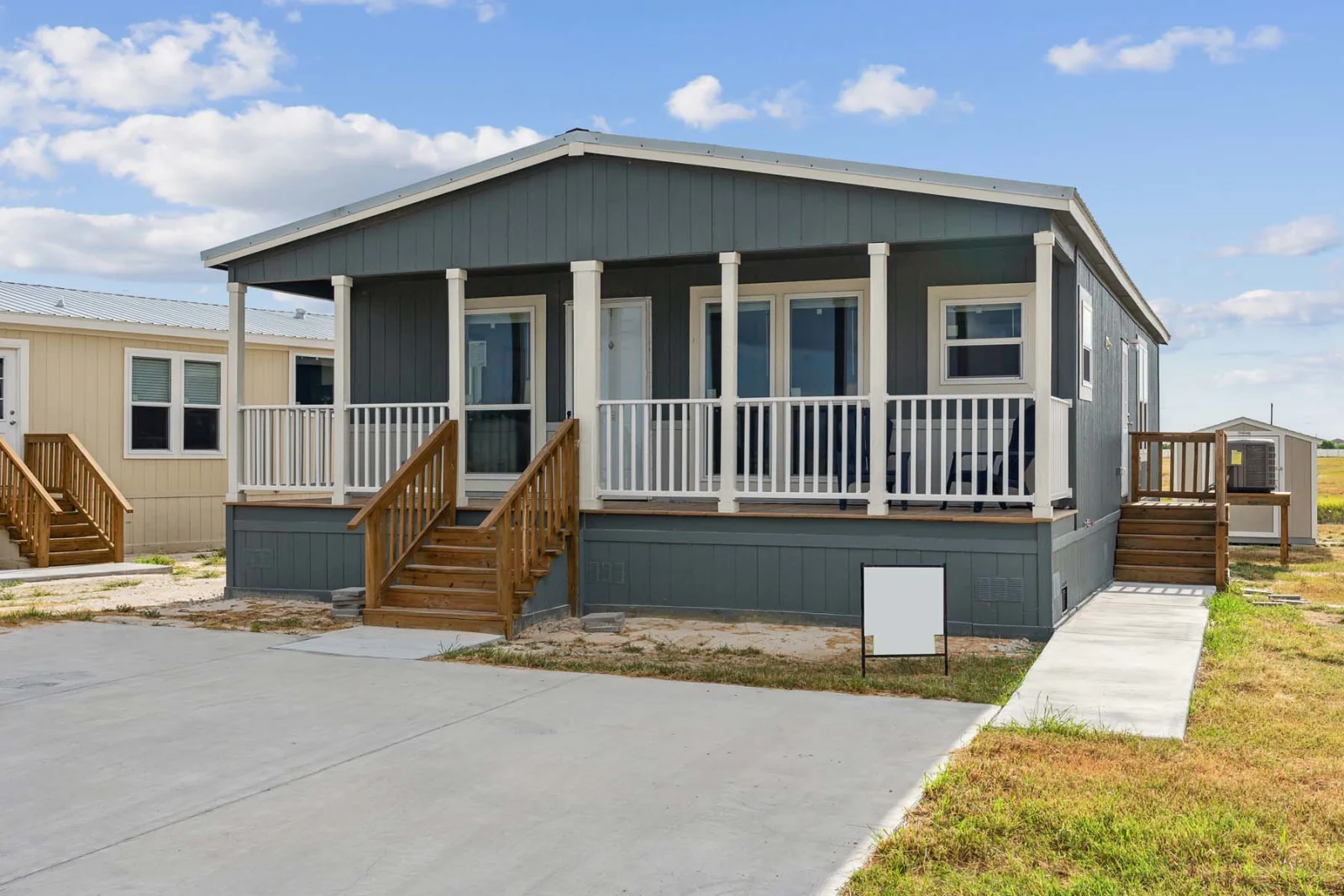
- Home size (linear perimeter). A 399 sq ft park model has far less perimeter to wrap than a 1,660 sq ft double-wide, so it costs less.
- Ground height & slope. A home set high or on a sloped lot needs taller panels and more cutting/fitting — more material and labor.
- Material. The single biggest lever (see the table above).
- Install method. DIY vinyl can run $400–$1,000 in materials; professional install of brick or concrete board can reach $8,000+.
- Access doors & vents. Code-required vents and at least one access panel add modest cost but are not optional.
DIY vs professional install
DIY makes sense for vinyl. Panel kits are designed for homeowners: you set a bottom track and top rail, then slide panels in. Expect a weekend, basic tools, and $400–$1,500 in materials for a typical single-wide. It’s one of the highest-value DIY projects a manufactured-home owner can take on.
Hire a pro for masonry, concrete board, or tricky lots. Brick and cement-board skirting need a level footing, mortar or fastening systems, and proper flashing — mistakes here cause moisture problems. Professional installs typically run $1,500–$8,000 depending on material and perimeter. Sloped or high-set lots are also worth handing to a pro.
Ventilation, vapor barrier & freeze protection
Whatever material you choose, two details are non-negotiable:
Ventilation. Most building codes require roughly 1 square foot of vent area per 150 square feet of floor, distributed around the perimeter, so moisture doesn’t build up underneath. Vinyl kits include vented panels; for other materials you add vents.
Ground vapor barrier. A 6-mil poly sheet laid over the soil under the home stops ground moisture from rising into the floor system. Skirting plus a vapor barrier is the combination that actually protects the home.
Cold climates. In freeze-prone states, owners often add rigid-foam insulation behind the skirting and heat tape on exposed pipes. Our homes shipped to Northern states (Michigan, Maine, Wisconsin, Colorado) are built with freeze-resistant plumbing, but skirting is still your first line of defense against burst pipes.
Skirting on a Tiny Homes USA home
Every Tiny Homes USA home is delivered, leveled, and set on piers as part of our standard setup. Skirting is a finishing step you can either handle yourself (vinyl is the easy DIY route) or have done locally. When you request pricing on a model, tell us your lot’s ground height and climate and we’ll point you to the right skirting spec — vented vinyl for most buyers, insulated skirting for cold-climate placements, and faux-brick or concrete board when you want the permanent, site-built look.
Because our park models start at $42,899 and our manufactured and double-wide homes run up to $359,113, skirting is a small line item relative to the home — but it’s the one that makes the whole installation look finished.
Related from Tiny Homes USA
Ready to find a home worth skirting?
Browse our finished, move-in-ready park models, single-wides, and double-wides — each delivered, leveled, and set, with real prices and no quote-runaround.
Shop Homes & Prices →