
 by
by 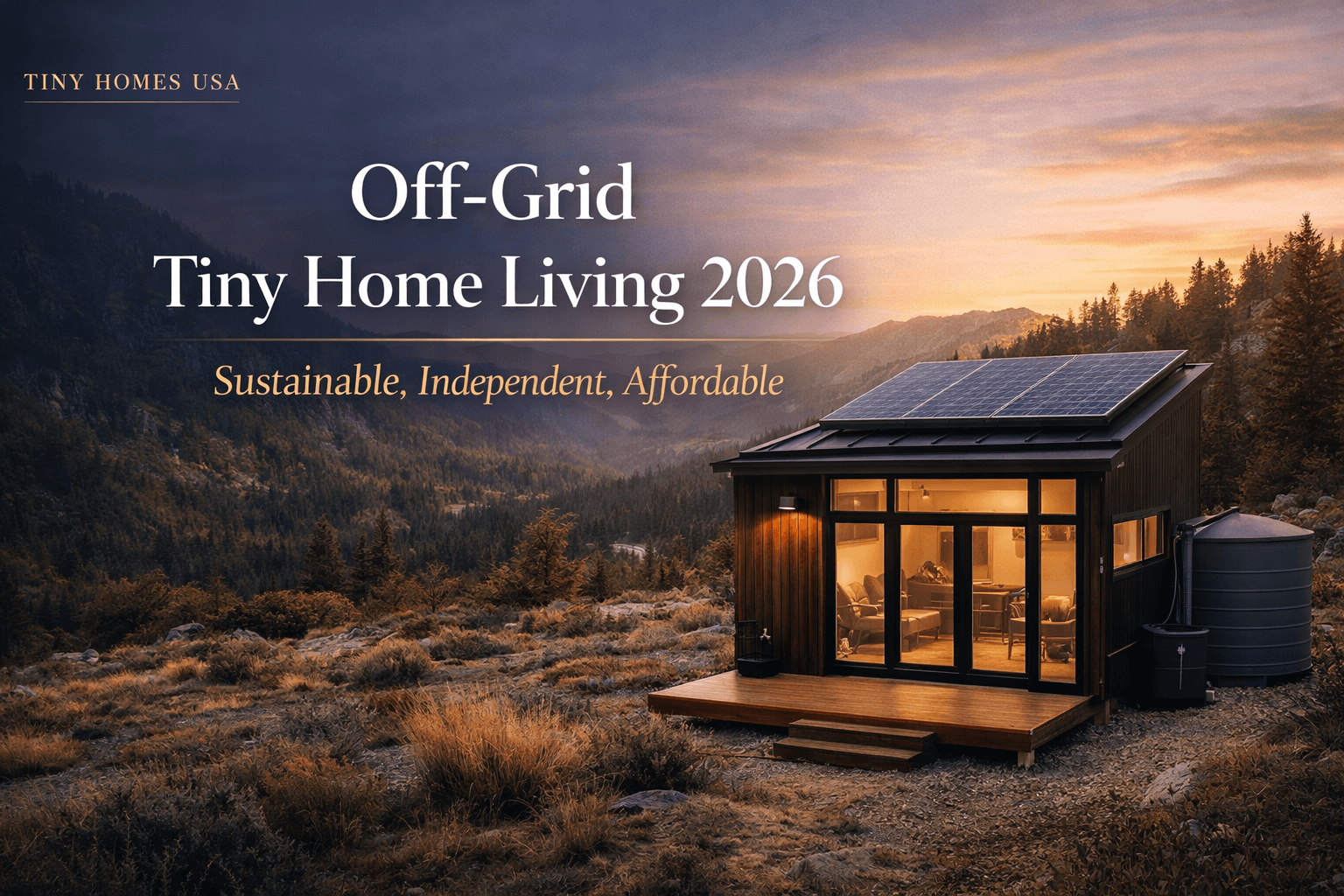
Quick Answer: Off-grid tiny home living in 2026 is more accessible and efficient than ever, thanks to advancements in solar power, water conservation, and waste management technologies. Key components include robust solar panel systems with battery storage, composting toilets, rainwater harvesting, and energy-efficient appliances. While the initial investment can range from $15,000 to $30,000 for a full off-grid setup, the long-term savings on utility bills and the freedom of self-sufficiency make it a highly attractive option for many tiny home owners.
Introduction
The allure of off-grid tiny home living 2026 is stronger than ever. In a world increasingly focused on sustainability, self-sufficiency, and reduced environmental impact, tiny homes offer a unique pathway to true independence. Imagine waking up to solar-powered electricity, fresh rainwater, and a composting toilet that minimizes your ecological footprint. This isn’t just a dream; it’s a reality for thousands of tiny home enthusiasts across the nation.
At Tiny Homes USA, we understand the growing desire for sustainable living. Based on nationwide delivery demand and our commitment to eco-friendly designs, we’ve seen firsthand how off-grid capabilities transform the tiny home experience. Whether you’re considering a 1 bedroom vs 2 bedroom tiny home or a custom-built park model, this ultimate guide will walk you through the essential components, benefits, and considerations for embracing an off-grid lifestyle in 2026.
1. The Power of the Sun: Solar Energy Systems for Tiny Homes
Solar power is the cornerstone of any successful off-grid tiny home. Advancements in photovoltaic technology and battery storage have made solar systems more efficient and affordable than ever before.
Components of a Tiny Home Solar System
A typical off-grid solar setup includes:
•Solar Panels: Mounted on the roof, these convert sunlight into electricity. Monocrystalline panels are highly efficient and durable.
•Charge Controller: Regulates the voltage and current coming from the solar panels to prevent overcharging of batteries.
•Battery Bank: Stores excess energy for use during cloudy days or at night. Lithium-ion batteries are popular for their longevity and efficiency.
•Inverter: Converts the DC power from your batteries into AC power, which is what most household appliances use.
Sizing Your System
The size of your solar system depends on your energy consumption. A typical tiny home might require a 400-watt to 1000-watt system with a 200-400 Ah battery bank. Many reputable providers like Renogy offer all-in-one kits specifically designed for tiny homes, making installation simpler.
2. Water Independence: Rainwater Harvesting and Filtration
Access to clean, potable water is critical for off-grid living. Rainwater harvesting is a sustainable and effective solution for tiny homes.
How Rainwater Harvesting Works
Rainwater is collected from your roof, channeled through gutters into a pre-filter (to remove leaves and debris), and then stored in large tanks. From there, it’s pumped through a multi-stage filtration system, often including a sediment filter, carbon filter, and UV sterilizer, to ensure it’s safe for drinking and bathing.
Water Conservation Tips
Even with rainwater harvesting, conservation is key. Consider:
•Low-flow fixtures: Showerheads, faucets, and toilets designed to use less water.
•Greywater recycling: Systems that filter water from sinks and showers for use in irrigation or toilet flushing.
•Waterless appliances: Such as composting toilets, which significantly reduce water consumption.
3. Sustainable Waste Management: Composting Toilets
Composting toilets are a game-changer for off-grid tiny homes, eliminating the need for a septic system or sewer connection.
How Composting Toilets Function
These toilets separate liquid and solid waste. Solid waste is mixed with a carbon-rich material (like sawdust or coco coir) and allowed to decompose aerobically, turning into nutrient-rich compost. Liquid waste is typically diverted to a small greywater system or an external tank.
Benefits and Maintenance
Composting toilets are odorless when properly maintained and require minimal water. They are an eco-friendly alternative that significantly reduces your environmental footprint. Maintenance involves emptying the solid waste chamber every few weeks to months, depending on usage.
4. Energy-Efficient Appliances and Insulation
To maximize your off-grid system’s effectiveness, every component of your tiny home should be designed for efficiency.
Appliance Choices
Opt for energy-star rated appliances, especially for refrigerators, induction cooktops, and mini-split HVAC systems. Propane-powered appliances (like water heaters and ovens) can also reduce your electrical load.
Superior Insulation
High-quality insulation is paramount for maintaining comfortable indoor temperatures and reducing energy consumption. At Tiny Homes USA, our models feature advanced insulation materials like spray foam or rigid foam boards, which offer superior R-values compared to traditional fiberglass. This reduces the energy needed for heating and cooling, making your off-grid system more viable.
5. Site Preparation and Zoning for Off-Grid Living
While off-grid living offers freedom, it’s not entirely free from regulations. You’ll still need to consider site preparation and local tiny home zoning laws in Texas 2026 (or your respective state).
Land Selection
Look for land with good sun exposure for solar panels and adequate space for water tanks. Consider the climate—areas with abundant rainfall are ideal for rainwater harvesting.
Permits and Regulations
Even if you’re off-grid, you may still need permits for your tiny home structure, septic alternatives (like composting toilets), and water systems. Always check with your local county or municipality. Some areas are more lenient with off-grid setups, particularly in rural zones.
6. Tiny Homes USA Expert Insight
“Most buyers we work with who choose off-grid tiny home living 2026 are driven by a desire for self-reliance and a smaller carbon footprint. What many don’t realize is how comfortable and convenient modern off-grid systems have become. Our goal at Tiny Homes USA is to integrate these sustainable technologies seamlessly into our designs, offering turnkey solutions that make eco-conscious living effortless. It’s not just about saving money; it’s about investing in a resilient and responsible future.” — Head of Sustainable Design, Tiny Homes USA
Off-Grid System Components and Estimated Costs (2026)
| Component | Estimated Cost Range | Key Benefit |
| Solar Power System | $8,000 – $20,000 | Renewable electricity, energy independence |
| Battery Bank | $4,000 – $10,000 | Energy storage for night/cloudy days |
| Rainwater Harvesting | $2,000 – $5,000 | Potable water supply, reduced water bills |
| Composting Toilet | $1,000 – $2,500 | Waterless waste management, eco-friendly |
| Energy-Efficient Appliances | $1,500 – $4,000 | Reduced energy consumption |
| Total Off-Grid Setup | $15,000 – $30,000+ | Complete self-sufficiency |
Frequently Asked Questions (FAQ)
Q: Is off-grid tiny home living legal everywhere?
A: No. While the concept is gaining traction, specific regulations vary widely by state and local municipality. Always check local zoning and building codes.
Q: How long do solar batteries last in a tiny home?
A: Modern lithium-ion batteries typically last 10-15 years or 3,000-5,000 charge cycles, depending on usage and maintenance.
Q: Can I run all my appliances off-grid?
A: With a sufficiently sized solar and battery system, yes. However, high-draw appliances like electric ovens or clothes dryers may require a larger, more expensive system or alternative power sources (e.g., propane).
Q: What are the best states for off-grid tiny home living in 2026?
A: States like Texas, Arizona, Colorado, and parts of the Pacific Northwest (for water) are popular due to more lenient regulations and abundant natural resources.
Q: How much maintenance does an off-grid system require?
A: Relatively low. Regular checks of solar panels, battery health, and filter changes for water systems are typically all that’s needed.
Embrace Your Sustainable Future with Tiny Homes USA
Off-grid tiny home living 2026 offers an unparalleled opportunity for freedom, sustainability, and financial savings. By carefully planning your energy, water, and waste systems, you can create a truly independent and eco-friendly home.
Ready to design your sustainable sanctuary? Explore our range of Tiny Homes for Sale that can be customized with off-grid packages. For more details on budgeting, check out How Much Does a Tiny Home Cost in 2026? or Contact Tiny Homes USA to speak with our sustainable design experts today!
Join The Discussion