

 by
by 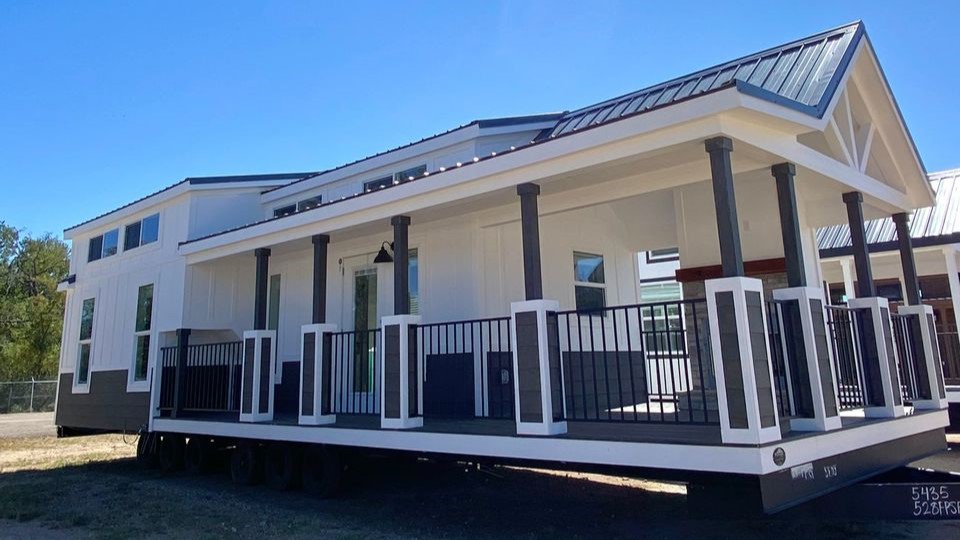
Comprehensive Guide to avoid tiny home scams in 2026
If you want to avoid tiny home scams, you need to be vigilant. This guide covers everything from fake listings to fraudulent builders.
Comprehensive Guide to avoid tiny home scams in 2026
If you want to avoid tiny home scams, you need to be vigilant. This guide covers everything from fake listings to fraudulent builders.
The growing popularity of tiny homes has unfortunately attracted a wave of scammers looking to capitalize on the trend. These fraudulent activities can turn the dream of tiny living into a financial nightmare. This guide is designed to arm you with the knowledge to identify and avoid common tiny home scams in 2026, ensuring your journey to homeownership is safe and secure.
The Rise of Tiny Home Scams
The allure of affordable, minimalist living has created a fertile ground for scammers. They exploit the excitement and, at times, the inexperience of prospective buyers. Scams can range from fake listings and fraudulent builders to hidden costs and deceptive financing schemes. The consequences can be devastating, leading to significant financial loss and emotional distress .
Common Tiny Home Scams and How to Spot Them
Being aware of the common tactics used by scammers is the first line of defense. Here are some of the most prevalent scams and the red flags to watch out for:
1. Fake Listings and “Too-Good-to-Be-True” Prices
Scammers often create fake online listings, particularly on social media platforms like Facebook, using stolen photos of legitimate tiny homes. These listings typically feature prices ($15,000) that are significantly lower than the market average to lure in unsuspecting buyers .
Red Flags:
•Unrealistically Low Prices: If a price seems too good to be true, it probably is. Research the average cost of similar tiny homes to get a sense of the market.
•High-Pressure Sales Tactics: Scammers may create a false sense of urgency, pressuring you to make a quick decision and send a deposit.
•Refusal of In-Person Tours: A legitimate seller will be willing to show you the home in person. Scammers will often make excuses to avoid this .
2. Fraudulent Builders and Impersonation
Some scammers pose as legitimate builders, even going so far as to use the names, addresses, and photos of reputable companies. They may create convincing websites and social media profiles to appear authentic .
Red Flags:
•Lack of Verifiable Credentials: A legitimate builder will have a portfolio of their work, customer testimonials, and proper business registration.
•Unusual Payment Requests:Be wary of requests for large upfront payments, especially via pay or cryptocurrency, which are difficult to trace.
•Poor Communication and Evasiveness: If a builder is difficult to contact, avoids answering specific questions, or provides vague information, it could be a sign of a scam.
3. Hidden Costs and Contract Issues
Even with legitimate builders, it’s important to be aware of potential issues with contracts and hidden costs. Some builders may provide a low initial quote, only to add on significant charges for “upgrades” or unforeseen expenses later in the process.
Red Flags:
•Vague or Incomplete Contracts: A contract should be detailed and comprehensive, outlining all costs, materials, timelines, and warranties.
•Pressure to Sign Quickly: Take your time to review any contract thoroughly. If you feel pressured to sign without fully understanding the terms, it’s a major red flag.
•Lack of Transparency: A reputable builder will be transparent about all costs and be willing to explain any charges you don’t understand.
How to Protect Yourself from Tiny Home Scams
•Do Your Research: Thoroughly research any builder or seller. Look for reviews, and ask for references.
•Verify Everything: Verify the builder’s address, phone number, and business registration. If possible, visit their workshop or a previous build in person.
•Be Skeptical of Online Listings: Be cautious of listings on social media and other online platforms. Always try to verify the legitimacy of the seller and the listing.
•Use Secure Payment Methods: Avoid payment links and cryptocurrency. Use a credit card or a secure escrow service for payments, as these offer more protection.
•Get Everything in Writing: Insist on a detailed, written contract that outlines all aspects of the build and purchase.
•Trust Your Instincts: If something feels off, it probably is. Don’t be afraid to walk away from a deal that doesn’t feel right.
The Tiny Homes USA Commitment
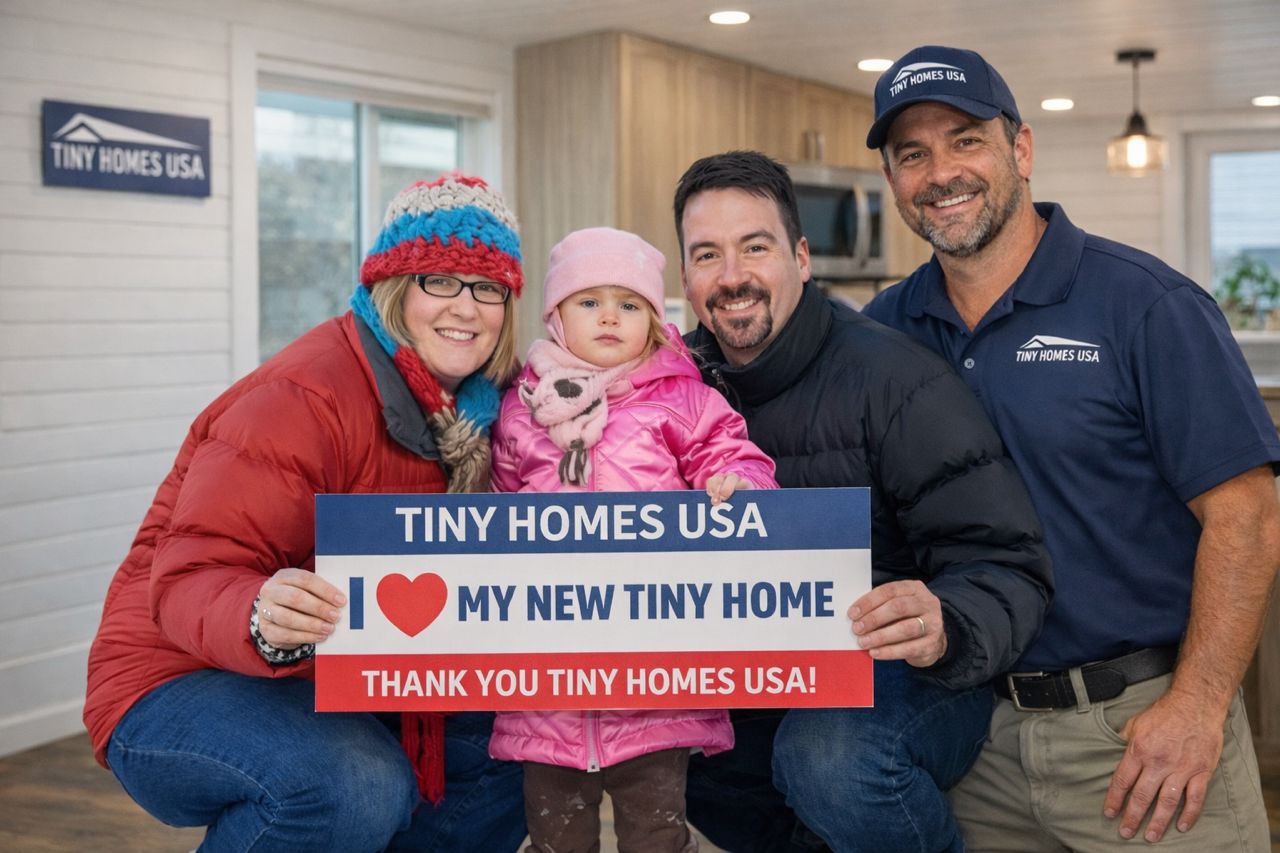
At Tiny Homes USA, we are committed to transparency, quality, and customer satisfaction. We are a reputable builder with a proven track record of delivering high-quality tiny homes. We encourage all our customers to do their due diligence and are happy to provide any information they need to feel confident in their purchase. Your dream of tiny living should be a joyful and exciting experience, and we are here to help make that a reality, safely and securely.
References
[1] Tiny House Alliance USA. (n.d.). How To Spot A Tiny House Fraudster.
[2] Movable Roots. (2024, October 31). Buyer Beware of Tiny Home Scams on Facebook.
[3] Facebook. (n.d.). Avoiding scams when buying tiny homes online.
[4] Decathlon Tiny Homes. (n.d.). Warning About Impersonators.
Check out our available tiny home models to see legitimate listings.
For more information on consumer protection, visit the Federal Trade Commission (FTC).
Check out our available tiny home models to see legitimate listings.
For more information on consumer protection, visit the Federal Trade Commission (FTC).
Join The Discussion